ironhooktowing

Ready to assist you 24/7 with the best towing service in Whitehall Township
5+ Years of Experience

Stranded in Fullerton, PA? Emergency Towing in 30 Minutes or Less!

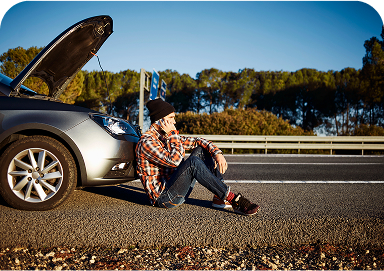
Stuck on the side of the road near MacArthur Road, Lehigh Valley Mall, or Route 22? Help is just minutes away. IronHook Towing offers fast and reliable car towing and roadside assistance in Fullerton, PA, as well as Whitehall Township, Coplay, Northampton, Anaheim, Bethlehem, and Easton.

    Fast Towing & Roadside Help You Can Count On in Fullerton, PA

    Services

    When your car breaks down, every minute matters. Our towing services in Fullerton, PA, respond quickly with the right solution to keep you safe. Our dispatch team quickly gathers essential details: your location, vehicle information, and the nature of the problem, to dispatch the appropriate truck without delay.
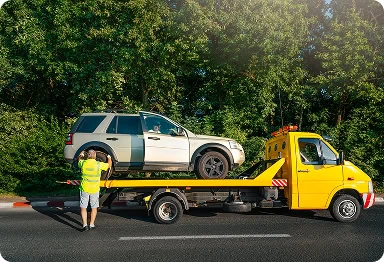
    Light-Duty Towing

    Light-Duty Towing

    Safely transports cars, SUVs, and minivans when they can’t be driven, preventing further damage.
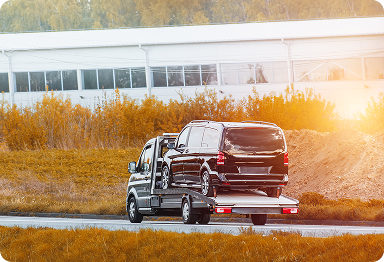
    Medium-Duty Towing

    Medium-Duty Towing

    Keeps businesses moving by towing box trucks and delivery vans quickly and securely.
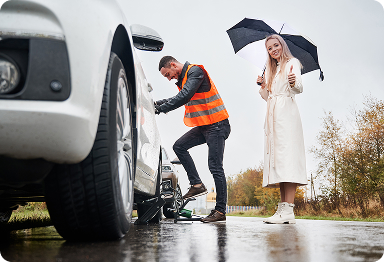
    Roadside Assistance

    Roadside Assistance

    We offer jump starts, tire changes, fuel delivery, and vehicle lockouts to get you moving again without a tow.
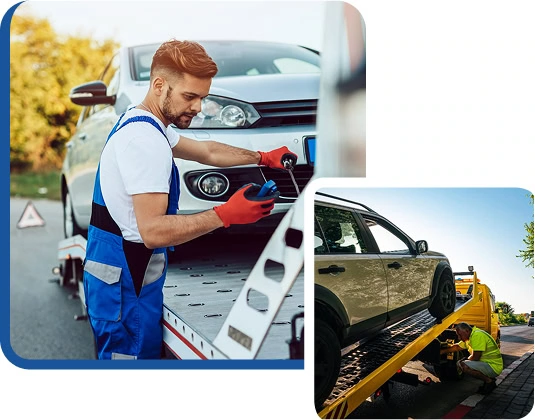
    About IronHook Towing

    About IronHook Towing

    At IronHook Towing, our mission is to get stranded drivers in Fullerton, PA, back on the road quickly and safely.  Located in the heart of Whitehall Township, we proudly serve Bethlehem, Easton, Coplay, Northampton, and the surrounding Lehigh Valley communities.

    We specialize in emergency towing services and provide fast roadside assistance when you need it most. Whether it’s a late-night breakdown, a flat tire on MacArthur Road, or a car that won’t start near Lehigh Valley Mall, our team responds quickly with the right solution.

    Our fleet includes a flatbed with the capacity to haul two cars simultaneously, enabling us to manage everything from a stalled family vehicle to accident recoveries with speed and care. Drivers across Fullerton choose IronHook Towing for fast arrival times, affordable pricing, and a strong focus on safety.

    Why Drivers Choose IronHook Towing

    • Fleet Strength: A Flatbed with the capacity to haul two cars at once.
    • Damage-Free Guarantee: Equipment and techniques designed to protect your vehicle.
    • Quick Arrival: 30–45 minutes on average in our primary service area.
    • Clear Dispatch Process: No confusion, no wasted time, just the right solution sent straight to you.
    • Flexible Payments: Pay the way that’s easiest at the roadside.
    • Local + Long-Distance: Reliable towing services for Allentown streets and out-of-state hauls.
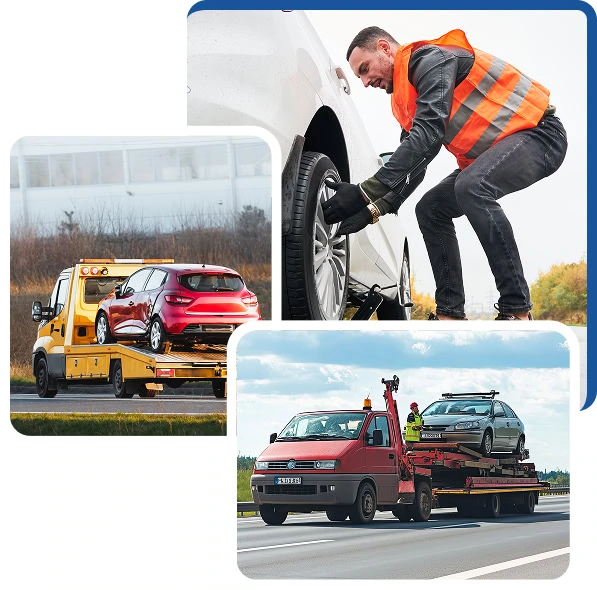
    Why Drivers Choose IronHook Towing

    Fullerton Towing Service Areas

    We proudly serve Fullerton, PA, and surrounding communities, including:

    • Whitehall Township – near MacArthur Road and Lehigh Valley Mall
    • Coplay, PA
    • Northampton, PA
    • Bethlehem & Easton, PA
    • Greater Allentown Area

    Ironhook Towing Blogs

    Tips & Advice from Your Allentown Towing Experts
    towing in fullerton

    Why You Should Never Trust Unlicensed Tow Trucks

    If your car broke down this very second, would you know the three most important questions to ask a tow truck driver before they tow your vehicle? Did you just hesitate? Then you're not alone. In the panic of a roadside emergency, most people forget to ask anything at all. This is the exact moment unlicensed tow truck operators take advantage of drivers, stepping in quickly, charging unfair fees, and putting vehicles at risk before the owner even realizes what is happening. This guide will equip you with those critical questions and the knowledge to make a safe, smart choice and avoid tow truck scams. What Is Predatory Towing? Predatory towing is when a tow truck operator takes advantage of drivers during stressful situations, such as accidents or breakdowns. These operators often show up without being called, pressure drivers to accept a tow, or move vehicles without proper permission. Once the car is taken, the driver may face high fees, hidden charges, or difficulty getting the vehicle released, leaving them with little choice but to pay. Licensed Professional vs. Unlicensed Operator To understand the risk, you first need to know who you're dealing with. A licensed, professional towing company is a legitimate business that operates under strict state and federal regulations. This means they: Meet safety and equipment standards Follow pricing and consumer protection laws Train drivers properly Maintain clear records and accountability An unlicensed operator works completely outside of this system. They have no oversight, no accountability, and, most critically, when something goes wrong, they are impossible to hold responsible. The Hidden Dangers of Unlicensed Towing Services Here are the most common dangers of hiring unlicensed towing services: Damage from Inexperience: Towing is a skill. Using the wrong equipment or hooking up a vehicle incorrectly can cause severe damage to the frame, transmission, or suspension. Unlicensed operators often lack the training and proper equipment to handle your vehicle safely. Unpredictable Pricing: The low price they quote on the side of the road is just the bait. Once your car is on their hook, the real bill appears, loaded with charges that were never discussed. By then, it’s too late. No Accountability: Licensed towing companies can be reported to local agencies if there is a problem. Unlicensed operators often work under temporary names or change business details frequently. This makes it hard to file complaints, recover overcharges, or hold them responsible for damage. Once your car is gone, so may be the operator. Read more: What to Do When You Need Car Towing How to Identify a Legitimate Towing Company You can avoid most of the towing scams by asking three simple questions before they touch your vehicle. Think of this as your roadside protection plan. 1. "Can I see your license?" Why it works: This is the ultimate test of legitimacy. A professional driver will have no problem providing their credentials. An unlicensed operator will get defensive, make excuses, or simply say no. A good answer: "Of course, here is our business license number." A bad answer: "Don't worry about it, I've got you covered," or "It's in the office."  2. "Can you give me a written, itemized quote for the total cost?" Why it works: This question forces transparency. It moves the conversation from a vague verbal quote to a concrete price. Ask them to write it down on a business card or send it as a text message. A good answer: "Certainly. The hook-up fee is X, and the mileage rate is Y. The total will be Z." A bad answer: "We'll figure it out when we get there," or "It depends."  3. "Will you take my vehicle to the mechanic/location of my choice?" Why it works: A professional service works for you and will take your car wherever you direct them. A good answer: "Absolutely. Just give me the address." A bad answer: "I have to take it to our company yard first for processing."  Common Signs of an Unlicensed Tow Truck Knowing the warning signs can help you avoid illegal towing. Be cautious if the tow truck: Arrives without being called Cannot show a license or permit Refuses to provide a written estimate Demands cash only Will not tell you where your vehicle is being taken Has no company branding or marked phone number If something feels off, trust your instincts. Final Thoughts Unlicensed tow trucks may seem helpful at first, but they often lead to bigger problems later. Overcharges, damage, and lack of accountability are common risks. Taking a few extra minutes to verify who is towing your vehicle can save you hundreds or even thousands of dollars. Always choose a licensed towing company you can trust. Call IronHook Towing At IronHook Towing, safety, transparency, and professionalism come first. When you call us, you know your vehicle will be handled properly, pricing will be clear, and you are protected if something goes wrong. When you are already dealing with car trouble, the last thing you need is more stress. Call us at (484) 426 0363 right away, and we’ll handle the rest. FAQs What should I do if an unlicensed tow truck takes my car? Contact local law enforcement or the city’s consumer protection office right away. Document everything, including photos and receipts. Are unlicensed tow trucks legal? In most areas, towing without proper licensing or authorization is illegal. Laws vary by location, but consumer protections exist for a reason. Why do unlicensed tow trucks target accident scenes? Drivers are often stressed and vulnerable after accidents, making it easier for predatory operators to take advantage. Is it always safer to call a towing company myself? Yes. Calling a licensed towing company directly gives you control over who handles your vehicle and where it goes.
    Read More
    towing in fullerton

    What Is the 80/20 Rule for Towing? A Complete Guide to Safer Towing
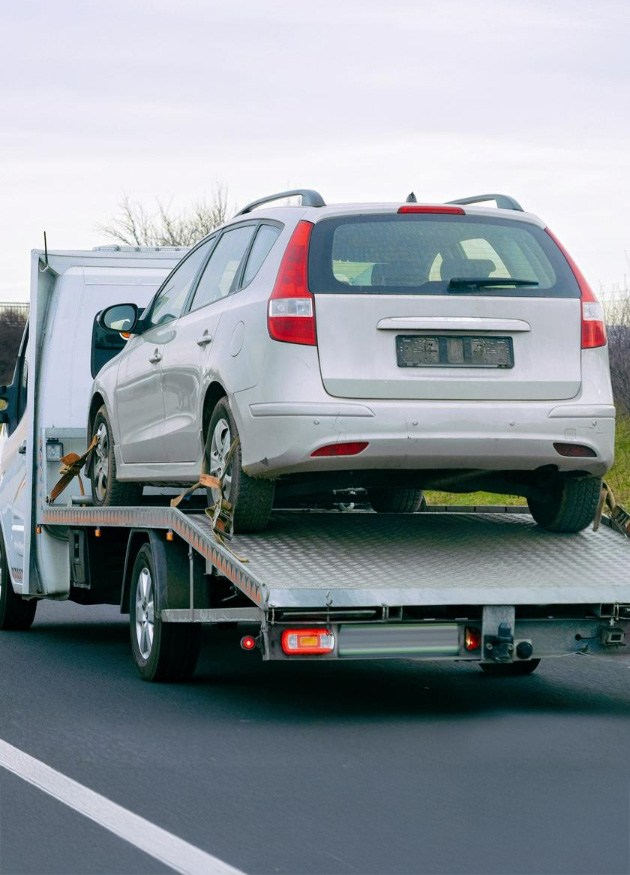
    When preparing to tow a trailer, RV, boat, or equipment, many drivers come across the term “80/20 rule for towing.” While it may sound technical, the concept is simple and widely used as a practical safety guideline to help prevent overloading, instability, and vehicle damage. This guide explains what the 80/20 rule means, why it matters, how to apply it correctly, and how it fits into overall towing safety. What Does the 80/20 Rule for Towing Mean? The 80/20 rule for towing recommends that you tow no more than 80% of your vehicle’s maximum rated towing capacity. For example: If your vehicle has a maximum towing capacity of 10,000 pounds, you should aim to tow no more than 8,000 pounds. This leaves a 20% safety margin to account for real-world conditions that affect towing performance, such as cargo weight, passengers, terrain, wind, braking demands, and road conditions. Why the 80/20 Rule Exists Vehicle manufacturers calculate towing capacity under controlled conditions. Real-world driving introduces variables that can significantly increase strain on your vehicle. The 80/20 rule helps bridge that gap by providing a conservative buffer that improves safety and control. Key Benefits of Following the 80/20 Rule 1. Better Stability and Handling Towing lighter loads reduces trailer sway, improves steering response, and makes lane changes and turns easier. 2. Improved Braking Performance Less weight means shorter stopping distances and reduced brake fade, especially when driving downhill or in traffic. 3. Reduced Wear on Your Vehicle Staying below maximum capacity lowers stress on the engine, transmission, suspension, brakes, and frame, helping extend vehicle lifespan. 4. Greater Safety in Emergency Situations A lighter tow load gives you more control during sudden stops, evasive maneuvers, or poor weather conditions. How to Apply the 80/20 Rule Correctly Step 1: Find Your Vehicle’s Maximum Towing Capacity This information is listed in your owner’s manual or on the vehicle’s manufacturer label. Step 2: Calculate 80% of That Capacity Multiply the maximum towing capacity by 0.8 to find your recommended towing limit. Example:8,000 lbs × 0.8 = 6,400 lbs Step 3: Include All Weight Your trailer’s total weight includes: The trailer itself Cargo and equipment Fuel and water Any added accessories Always calculate based on fully loaded weight, not dry weight. Step 4: Adjust for Driving Conditions If you’ll be towing in mountains, strong winds, heavy traffic, or over long distances, consider staying even further below the 80% guideline. Common Misunderstandings About the 80/20 Rule It’s Not a Legal Requirement The 80/20 rule is a safety recommendation, not a law. However, exceeding your manufacturer’s maximum towing rating can be illegal and unsafe. Tongue Weight Still Matters Even if total weight is within limits, improper tongue weight can cause instability and trailer sway. Proper weight distribution is essential. Maximum Capacity Isn’t a Comfort Zone Just because your vehicle can tow a certain amount doesn’t mean it should do so regularly. The 80/20 rule creates a safer operating range. When the 80/20 Rule Is Especially Important New or inexperienced towers Long-distance towing Mountain or off-road terrain Heavy traffic or urban driving Vehicles without advanced towing assist systems In these situations, the extra safety margin can make a significant difference. Is the 80/20 Rule Always Necessary? Experienced drivers with proper equipment may occasionally tow closer to maximum capacity. However, for most drivers and most situations, the 80/20 rule remains a smart, safety-first guideline that reduces risk and increases confidence on the road. Final Thoughts The 80/20 rule for towing is about prevention, control, and longevity. By towing within 80% of your vehicle’s rated capacity, you protect your vehicle, your cargo, and everyone on the road. It’s not about limiting capability — it’s about towing smarter and safer every time you hitch up. Contact Iron Hook Towing in Whitehall Township for expert towing. Read more: Understanding the Process of Medium Duty Towing Services What to Do When You Need Car Towing
    Read More
    car-towing

    Understanding the Process of Medium Duty Towing Services

    Medium-duty towing is different from a standard roadside tow. It is meant for vehicles that are bigger than regular cars but not as large as heavy trucks, like box trucks, work vans, shuttles, and many RVs. If these vehicles break down or get into an accident, their extra weight, longer wheelbases, and special drivetrains make regular towing risky. Using the right equipment and loading methods helps avoid more damage, saves time, and keeps the road safe. This page covers what medium-duty towing is, the equipment used, and the steps professionals take from your first call to the end of the job. What comes under Medium Duty Towing? Medium-duty towing means professionally towing and recovering Class 3 to Class 6 vehicles, which usually weigh between 10,001 and 26,000 pounds. This includes box trucks, city delivery vans, bucket trucks, and other commercial vehicles that need stronger equipment than regular cars. When Medium Duty Towing Services Are Needed? Medium-duty towing is needed when a vehicle’s size, weight, or drivetrain makes a regular wheel-lift tow unsafe or not allowed. Common situations include: Mechanical breakdowns that make the vehicle unstartable Accident recovery where the vehicle cannot be driven safely Blowouts or wheel damage that prevent safe roadside repair Stuck situations such as soft ground, snow, mud, or a ditch (often requiring winching and controlled recovery) Planned transport for fleet moves, relocations, or repair routing What is the process of Medium Duty Towing? Medium-duty towing follows a controlled, safety-first process designed for larger vehicles. As these vehicles have higher weight, different braking systems, and more complex drivetrains than passenger cars, each step, from dispatch to securement and transport, must be handled with the right equipment and procedures to prevent additional damage and reduce roadway risk. Step 1: Incident Assessment and Dispatch The process starts as soon as your call reaches the dispatch center. The operator collects important details to send the right truck. Medium-duty vehicles are very different from regular cars in size, weight, and ground clearance. Crucial information gathered includes: Vehicle Weight and Dimensions: Determining if the vehicle fits the medium-duty criteria or requires heavy-duty equipment. Location and Accessibility: Whether the vehicle is on a highway shoulder, stuck in mud, or in a height-restricted parking garage. Load Status: A loaded box truck reacts differently to towing forces than an empty one. Mechanical State: Information on whether the wheels are locked or if the driveshaft is intact. Step 2: Equipment Selection Towing companies use special trucks for medium-duty jobs. The two main types are flatbed carriers and integrated wreckers. Flatbed carriers, or rollbacks, are often used when a vehicle can’t roll on its own wheels. This method lifts the whole vehicle off the road, making it the safest choice for all-wheel-drive vehicles or those with bad suspension damage. The hydraulic bed lowers to the ground so the vehicle can be winched onto the platform. Integrated wreckers have both a boom and a wheel-lift. They work well for vehicles that are too tall or long for a flatbed. The wheel-lift holds either the front or rear wheels, leaving the other set on the ground. This setup makes it easier to move vehicles in tight city spaces. Step 3: Site Safety and Vehicle Preparation In this step, the tow operator first secures the scene by setting cones or flares to create a safe work zone, then prepares the vehicle for transport to avoid mechanical damage. If a rear-wheel-drive vehicle is being towed with the rear wheels on the ground, the driveshaft is disconnected so the transmission does not turn without proper lubrication. For trucks with air brakes, the operator may need to manually engage or release the brakes when the engine is not running, allowing the wheels to roll freely. Step 4: Hook-Up and Securement The physical connection between the tow truck and the disabled vehicle requires precision. The operator attaches heavy-duty chains or straps to the frame or axle, avoiding fragile components like brake lines or suspension sensors. Weight distribution is very important. If too much weight is on the back of the tow truck, steering can become unsafe. If too much weight stays on the towed vehicle’s axles, it might sway. Operators figure out the center of gravity to keep the tow stable. Secondary Safety Measures:- Federal and state regulations require the use of secondary safety chains. These chains act as a fail-safe if the primary coupling fails. The operator also installs auxiliary tow lights on the rear of the disabled vehicle. These lights mimic the tow truck's braking and signaling actions to alert following traffic. Step 5: Transport and Delivery During transport, the operator must stay alert. The extra weight from both vehicles means it takes longer to stop. The operator drives carefully, avoiding sudden lane changes or hard braking. When the tow truck gets to the destination, whether it’s a repair shop, dealership, or storage lot, the vehicle is unloaded. The operator undoes the steps used to secure the vehicle, like releasing the parking brakes and reconnecting the driveshaft if needed. A final check makes sure the vehicle is in the same condition as when it was picked up. Reliable Recovery in Lehigh Valley When medium-duty towing is done right, it reduces downtime and keeps your vehicles safe. Ironhook Towing offers expert recovery services in Whitehall Township, Fullerton, Allentown, and the Lehigh Valley. Our team handles everything from delivery vans to RVs, always focusing on safety and efficiency. We make sure your vehicle gets where it needs to go without problems. Call Iron hook Towing at (484) 426-0363 for fast, professional help. What is the cost of Medium Towing Services? Medium duty towing pricing is usually built from a base dispatch charge plus transport and any recovery work needed. For planning purposes, a common estimate range is $150 to $350 for the hook-up or call-out, about $5 to $10 per mile (medium duty often prices above light duty mileage averages), $200 to $400 per hour for recovery or winching, and about $85 to $150 per day for storage when the vehicle remains at a tow facility. Published municipal and state rate schedules show medium duty work is frequently billed by time on scene, with examples including $400 per hour caps in some police-ordered towing schedules and $50 per 15 minutes for certain medium duty recovery line items, plus daily storage rates that can be around $85 to $100 per day depending on the schedule.  Costs increase when the job involves winching, accident recovery, rollovers, restricted access, or hazardous conditions, and mileage typically applies beyond an included service radius. Storage charges add up daily when a vehicle is held, and insurance or towing-and-labor coverage may reimburse part of the bill, but limits and eligible situations vary by policy and carrier. Extra fees may be charged for winching, accident recovery, or working in dangerous conditions. Storage fees add up for vehicles kept at towing facilities, with daily rates based on vehicle size and local rules. Insurance often covers towing, but policy limits may not pay for all medium duty towing costs. Why Choose Professional Medium Duty Towing Services Professional medium duty towing gives you expert help, the right equipment, and liability protection that you don’t get with DIY towing. Certified operators know how to manage weight and avoid extra damage during recovery. Commercial-grade equipment makes tough jobs safer and more efficient. Trusted towing companies carry full insurance, so you’re protected from liability while your vehicle is being transported. They are available 24/7, so you can count on a quick response any time you need help. The paperwork they provide also helps with insurance claims and gives you legal protection if there’s an accident. Contact Iron hook Towing for Reliable Medium Duty Towing Services If your commercial vehicle or RV needs professional medium-duty towing, Iron hook Towing offers fast, reliable service in the area. Our certified operators and modern trucks safely move vehicles up to 26,000 pounds. With fair prices, 24/7 service, and a focus on customer satisfaction, we’re ready to help with your towing needs. Call us now for expert help and see how our experience and equipment protect your vehicles and keep your business running smoothly.
    Read More

    What to Do When You Need Car Towing

    Your car suddenly stops working on a busy highway, steam rising from the hood, and you're stranded miles from home. The stress of a vehicle breakdown gets worse as traffic rushes past, leaving you vulnerable and uncertain about your next steps. Knowing exactly what to do when you need car towing services can turn this overwhelming situation into a manageable problem, keeping you safe and getting you back on the road fast. Immediate Steps After Vehicle Breakdown When your vehicle breaks down, safety comes first. Move your car to the shoulder or emergency lane if possible. Turn on your hazard lights right away to alert other drivers. Exit your vehicle on the side away from traffic and move to a safe location behind a barrier or guardrail. Place reflective triangles or flares 50 to 100 feet behind your vehicle if you have them. These warning devices reduce the risk of accidents and help tow truck drivers locate you more easily. Keep your doors locked if you remain inside the vehicle while waiting for help. Signs You Need Professional Towing Services Several situations require immediate professional towing help. Engine failure, transmission problems, or overheating that prevent safe vehicle operation call for towing. Flat tires without spare replacements, accidents causing vehicle damage, or running out of fuel in dangerous locations all warrant calling a tow truck service. Strange noises, smoke, or fluid leaks point to serious mechanical issues requiring professional attention. If your vehicle won't start after multiple attempts or displays warning lights indicating critical system failures, avoid further damage by requesting towing services right away. How to Choose the Right Towing Company Selecting a reliable towing service requires careful consideration of several factors. Verify the company operates 24/7 emergency towing services and can reach your location quickly. Check if they have proper licensing, insurance, and certified operators to confirm professional service delivery. Research the towing company's service area coverage and equipment capabilities. Different vehicles require specific towing methods. Flatbed towing works best for luxury vehicles, all-wheel drive cars, or severely damaged vehicles. Wheel lift towing suits standard vehicles with minor issues. Make sure the company has appropriate equipment for your vehicle type. Essential Information to Provide When Calling When contacting a towing service, provide accurate location details, including street names, mile markers, or nearby landmarks. Specify your vehicle's make, model, year, and color for easy identification. Describe the problem clearly, whether a mechanical failure, accident damage, or a lockout situation. Inform the dispatcher about any special circumstances, such as low clearance areas, narrow roads, or vehicle modifications. Mention if you need additional services like jump starts, tire changes, or fuel delivery. Provide your contact number and stay available for follow-up calls from the driver. What to Expect During the Towing Process Professional tow truck operators typically arrive within 30 to 45 minutes, depending on location and traffic conditions. The driver will assess your vehicle's condition and determine the safest towing method. You'll need to sign authorization forms and verify destination details before towing begins. Remove valuable items and personal belongings from your vehicle before towing. Take photos of your vehicle's condition for insurance purposes. The tow truck driver will secure your vehicle using appropriate equipment and safety protocols. You can usually ride with the driver or arrange alternative transportation to your destination. Cost Factors and Payment Options Towing costs vary based on distance, vehicle type, time of day, and service complexity. Standard towing services typically charge a base hookup fee plus per-mile rates. Emergency towing, after-hours service, or specialty vehicle towing may add extra charges. Many insurance policies include roadside assistance or towing coverage. Check your policy details and coverage limits before calling for service. Some towing companies accept various payment methods, including cash, credit cards, and direct insurance billing. Get written estimates and receipts for all services provided. Preparing for Future Emergencies Create an emergency kit containing jumper cables, basic tools, a flashlight, first aid supplies, and warning devices. Store important documents, including insurance information, vehicle registration, and emergency contact numbers in your vehicle. Program reliable towing service numbers into your phone for quick access during emergencies. Regular vehicle maintenance reduces breakdown risks significantly. Schedule routine inspections, address warning signs quickly, and keep your vehicle properly serviced. Join roadside assistance programs or maintain relationships with trusted local towing services for peace of mind during travels. Contact Ironhook Towing for Reliable Service in Fullerton, PA When you need professional car towing services in Fullerton, PA, or the surrounding Lehigh Valley area, Ironhook Towing provides fast, reliable help throughout your emergency. Located in Whitehall Township, their experienced team offers complete towing solutions, from light-duty passenger vehicles to medium-duty commercial trucks, making sure your vehicle gets safe transport to your preferred destination. Contact Ironhook Towing immediately at (484) 426-0363 when you experience a vehicle breakdown, accident situations, or require emergency roadside assistance near MacArthur Road, Lehigh Valley Mall, Route 22, or anywhere in Bethlehem, Easton, Coplay, Northampton, and the Greater Allentown Area.  Their certified operators dispatch the nearest available unit to your location within 30-45 minutes, providing transparent pricing and professional service that gets you back on track quickly. Additional Reads: How Much Does Towing Really Cost? What Does It Cost to Tow Your Car 50 Miles? Complete Pricing Guide When to Call a Tow Truck Instead of Handling It Yourself: A Guide for Allentown Drivers Emergency Towing vs. Scheduled Towing: Which One Do You Need?
    Read More
    blog

    Ironhook Towing Sep 6, 2025

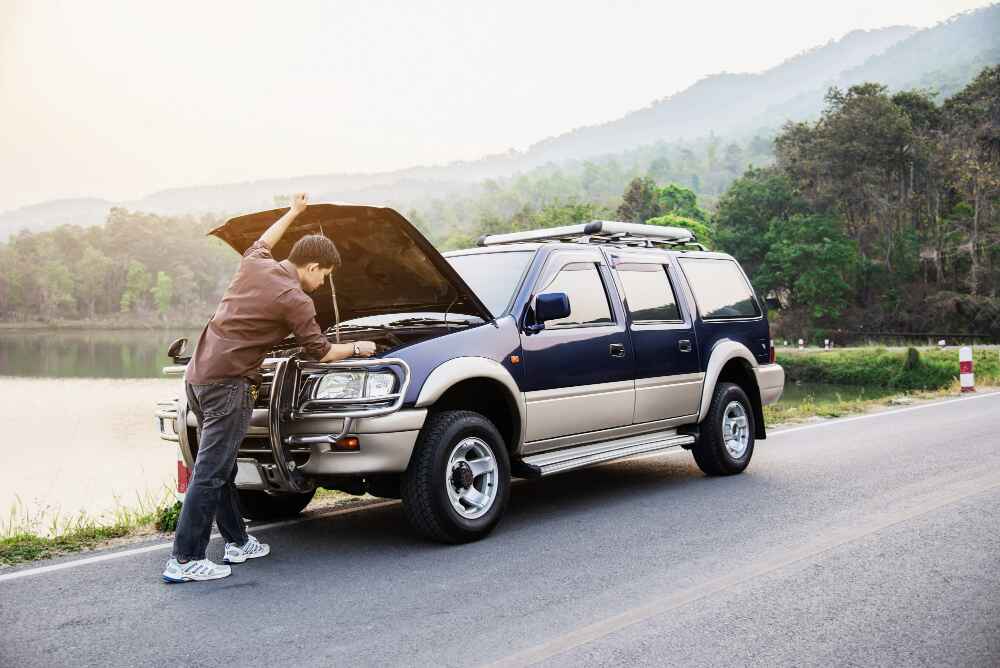
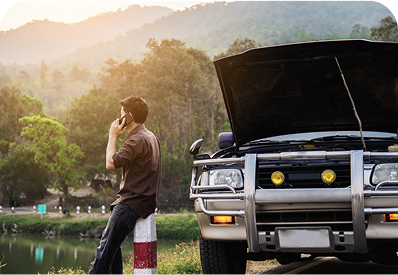
    What to Do While You Wait for a Tow Truck in Allentown

    Once you’ve made the call for help, the waiting period is a critical time to ensure your safety and prepare for the tow truck’s arrival.
    Ironhook Towing Sep 6, 2025

    What to Do While You Wait for a Tow Truck in Allentown

    Once you’ve made the call for help, the waiting period is a critical time to ensure your safety and prepare for the tow truck’s arrival.
    blog

    Ironhook Towing Sep 6, 2025

    What to Do While You Wait for a Tow Truck in Allentown

    Once you’ve made the call for help, the waiting period is a critical time to ensure your safety and prepare for the tow truck’s arrival.

    Frequently Asked Questions

    Tips & Advice from Your Allentown Towing Experts

    How quickly can you arrive in Fullerton, PA?

    Our average response time is 30–45 minutes within our 45-mile service area. Dispatch times may vary during peak hours, but we always prioritize emergencies.

    Yes. Our core service zone covers Fullerton, PA, and the nearby area within 45 miles. We also offer dependable long-distance towing across Pennsylvania and even out of state.

    Stay safe: turn on your hazard lights, remain inside your vehicle if you’re near traffic, and keep your phone handy for updates from our driver.

    Please provide your location, vehicle type, and the nature of the towing issue so we can dispatch the right help immediately.

    Find us

    Call Us

    (484) 426 0363

    Email Now

    talibnoori555@gmail.com

    Address

    900 Mickley Rd apt y1 3, Whitehall Township, PA 18052, United States

    Keep In Touch

    We prioritize responding to your inquiries promptly to ensure you
    receive the assistance you need in a timely manner