ironhooktowing

Ready to assist you 24/7 with the best towing service in Whitehall Township
5+ Years of Experience

Stranded in Fullerton, PA? Emergency Towing in 30 Minutes or Less!

Stuck on the side of the road near MacArthur Road, Lehigh Valley Mall, or Route 22? Help is just minutes away. IronHook Towing offers fast and reliable car towing and roadside assistance in Fullerton, PA, as well as Whitehall Township, Coplay, Northampton, Anaheim, Bethlehem, and Easton.

    Fast Towing & Roadside Help You Can Count On in Fullerton, PA

    Services

    When your car breaks down, every minute matters. Our towing services in Fullerton, PA, respond quickly with the right solution to keep you safe. Our dispatch team quickly gathers essential details: your location, vehicle information, and the nature of the problem, to dispatch the appropriate truck without delay.
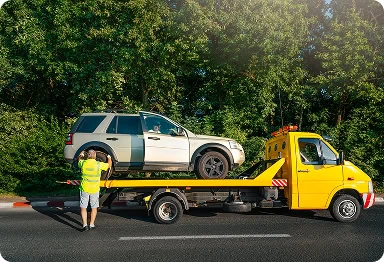
    Light-Duty Towing

    Light-Duty Towing

    Safely transports cars, SUVs, and minivans when they can’t be driven, preventing further damage.
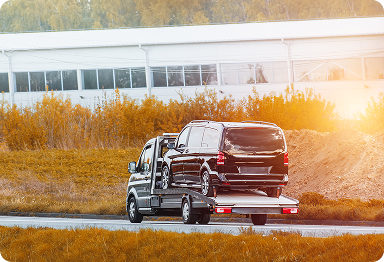
    Medium-Duty Towing

    Medium-Duty Towing

    Keeps businesses moving by towing box trucks and delivery vans quickly and securely.
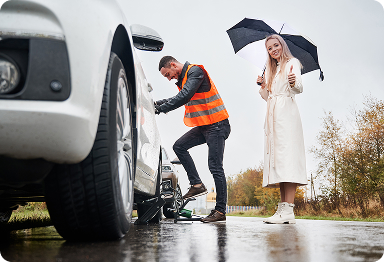
    Roadside Assistance

    Roadside Assistance

    We offer jump starts, tire changes, fuel delivery, and vehicle lockouts to get you moving again without a tow.
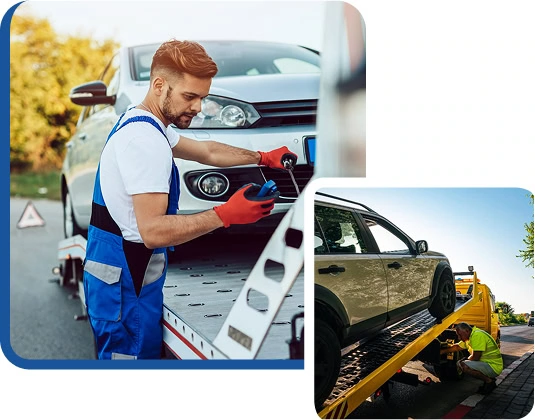
    About IronHook Towing

    About IronHook Towing

    At IronHook Towing, our mission is to get stranded drivers in Fullerton, PA, back on the road quickly and safely.  Located in the heart of Whitehall Township, we proudly serve Bethlehem, Easton, Coplay, Northampton, and the surrounding Lehigh Valley communities.

    We specialize in emergency towing services and provide fast roadside assistance when you need it most. Whether it’s a late-night breakdown, a flat tire on MacArthur Road, or a car that won’t start near Lehigh Valley Mall, our team responds quickly with the right solution.

    Our fleet includes a flatbed with the capacity to haul two cars simultaneously, enabling us to manage everything from a stalled family vehicle to accident recoveries with speed and care. Drivers across Fullerton choose IronHook Towing for fast arrival times, affordable pricing, and a strong focus on safety.

    Why Drivers Choose IronHook Towing

    • Fleet Strength: A Flatbed with the capacity to haul two cars at once.
    • Damage-Free Guarantee: Equipment and techniques designed to protect your vehicle.
    • Quick Arrival: 30–45 minutes on average in our primary service area.
    • Clear Dispatch Process: No confusion, no wasted time, just the right solution sent straight to you.
    • Flexible Payments: Pay the way that’s easiest at the roadside.
    • Local + Long-Distance: Reliable towing services for Allentown streets and out-of-state hauls.
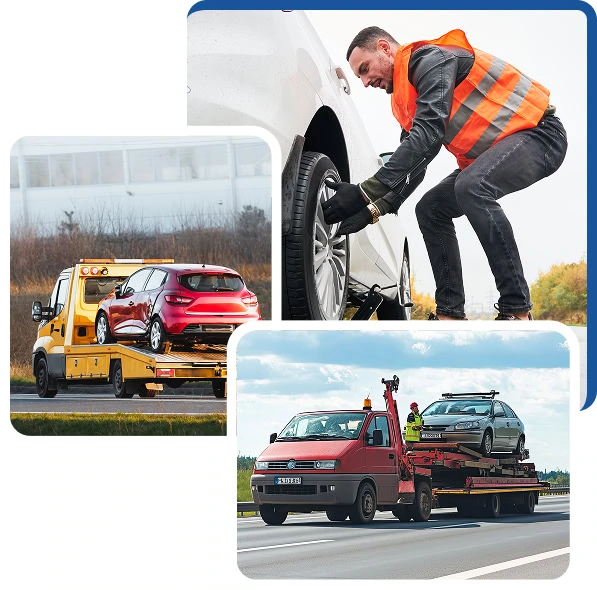
    Why Drivers Choose IronHook Towing

    Fullerton Towing Service Areas

    We proudly serve Fullerton, PA, and surrounding communities, including:

    • Whitehall Township – near MacArthur Road and Lehigh Valley Mall
    • Coplay, PA
    • Northampton, PA
    • Bethlehem & Easton, PA
    • Greater Allentown Area

    Ironhook Towing Blogs

    Tips & Advice from Your Allentown Towing Experts
    towing in fullerton

    Understanding Professional Towing Services: What You Need to Know

    When your vehicle breaks down or you're involved in an accident, a professional towing service becomes your lifeline. Yet many drivers don't fully understand what towing services offer, how to choose the right provider, or what to expect when they call for help. Whether you're preparing for a potential emergency or currently in need of assistance, understanding professional towing services can save you time, money, and stress. Types of Towing Services Explained Not all towing situations are the same, and professional towing companies offer different services to match specific needs. Flatbed Towing Flatbed towing is considered the safest method for transporting vehicles. Your car is loaded completely onto a flat platform, with all four wheels off the ground. This method is ideal for: Luxury and exotic vehicles All-wheel-drive or four-wheel-drive vehicles Motorcycles Vehicles with significant front or rear-end damage Long-distance towing Iron Hook Towing utilizes modern flatbed trucks that protect your vehicle from additional wear and tear during transport, ensuring it arrives at its destination in the same condition it was loaded. Wheel-Lift Towing This method uses a metal yoke that hooks under the front or rear wheels, lifting them off the ground while the other wheels roll. Wheel-lift towing is: Cost-effective for shorter distances Suitable for most standard vehicles Faster to hook up than older hook-and-chain methods Gentler on vehicles than traditional towing Heavy-Duty Towing Larger vehicles require specialized equipment. Heavy-duty towing handles: Commercial trucks RVs and motorhomes Buses Construction equipment Vehicles over 10,000 pounds This service requires specialized training and equipment that not all towing companies possess. Motorcycle Towing Motorcycles need special care during transport. Professional motorcycle towing uses: Flatbed trucks with proper tie-down equipment Specialized wheel chocks Soft straps to prevent damage Never let a towing company use traditional wheel-lift methods on your motorcycle—it can cause serious damage. Emergency vs. Non-Emergency Towing Understanding the difference helps you communicate your needs effectively. Emergency Towing includes: Accident recovery Breakdown on busy highways Vehicle fires or smoking engines Situations posing immediate danger Emergency calls receive priority dispatch. Iron Hook Towing maintains 24/7 availability specifically for these urgent situations, understanding that every minute matters when safety is at risk. Non-Emergency Towing includes: Transporting a purchased vehicle Moving a car that doesn't run Towing to storage facilities Relocating vehicles for repairs While still important, these situations allow for scheduled appointments at times convenient for you. What to Look for in a Towing Service Choosing the right towing company before you need one is crucial. Here's what separates quality providers from the rest: Response Time When you're stranded, especially in bad weather or unsafe locations, fast response is essential. Ask about average response times and whether they guarantee priority service for emergencies. Equipment Quality Modern, well-maintained tow trucks protect your vehicle and ensure reliable service. Outdated equipment increases the risk of damage and service delays. Proper Licensing and Insurance Legitimate towing companies carry proper insurance to protect your vehicle during transport. Always verify credentials before allowing anyone to tow your car. Transparent Pricing Reputable companies like Iron Hook Towing provide clear, upfront pricing with no hidden fees. Be wary of companies that won't quote prices over the phone or have vague fee structures. Driver Experience Trained, experienced operators know how to handle different vehicles and challenging situations safely. They understand proper loading techniques, securing methods, and safe transport practices. Service Area Coverage Ensure your towing service covers your regular routes and travel areas. Iron Hook Towing provides comprehensive coverage throughout the region, so whether you break down near home or further out, help is just a phone call away. What to Expect When You Call for a Tow Understanding the process reduces stress during an already difficult situation: Initial Call: You'll provide your location, vehicle information, and describe the problem Dispatch: The company sends the appropriate truck for your situation Estimated Arrival Time: You'll receive an ETA so you know when to expect help Driver Assessment: Upon arrival, the driver evaluates your vehicle and determines the best towing method Secure Loading: Your vehicle is properly secured for safe transport Destination: The driver transports your vehicle to your chosen location Payment and Documentation: You'll receive all necessary paperwork for insurance or records Professional companies maintain communication throughout the process, updating you if circumstances change. Additional Services Beyond Basic Towing Full-service towing companies offer more than just vehicle transport: Jump-starts for dead batteries Tire changes when you have a flat Lockout services if you're locked out of your vehicle Fuel delivery when you run out of gas Winch-out services for vehicles stuck in mud, snow, or ditches These roadside assistance services often solve problems without requiring a full tow, getting you back on the road quickly and affordably. The Bottom Line Professional towing services provide essential support when vehicle troubles strike. Whether you need emergency assistance or planned transport, choosing a reliable, experienced company makes all the difference. Iron Hook Towing combines modern equipment, experienced operators, transparent pricing, and fast response times to deliver the professional service you deserve. We understand that when you call for a tow, you're often having one of the worst days—and we're committed to making it better. Save our number now, before you need it. Visit ironhooktowing.com or call today to learn more about our complete towing and roadside assistance services. When you need a tow, you need Iron Hook Towing—professional, reliable, and ready to help 24/7. Read more: Why You Should Never Trust Unlicensed Tow Trucks Flatbed vs Wheel-Lift Towing: Which One Is Better?
    Read More
    towing in fullerton

    Flatbed vs Wheel-Lift Towing: Which One Is Better?

    The first rule of towing is simple: don't cause more damage. Yet, every day, drivers face expensive, hidden repairs simply because the wrong type of tow truck was used for their car.  A professional towing company knows that a flatbed and a wheel-lift are used for very different situations. One is perfect for an all-wheel-drive SUV or a sports car, while the other is great for getting a car out of a tight parking garage. Knowing which is which is the key to a safe tow. Let's break down what you need to know. What Is a Flatbed Tow Truck? A flatbed truck is a truck that has a long, flat platform on the back that can be hydraulically tilted and lowered to the ground, creating a ramp. Your vehicle is then either driven or pulled onto the platform with a winch, where it's secured tightly at all four corners. The most important feature is that all four of your vehicle’s wheels are safely off the pavement. This eliminates any wear and tear on your tires, suspension, and, most critically, your car's transmission and drivetrain during the tow. When Do You Need It? So, when is a flatbed not just a good idea, but a necessity? For All-Wheel Drive (AWD) and 4x4 Vehicles Towing an AWD or 4x4 vehicle with two wheels on the ground (as with a wheel-lift) can cause damage to the drivetrain and transmission. A flatbed is the only safe method for these vehicles. For Luxury, Sports, and Classic Cars If you drive a low-profile car, a classic, or a high-end luxury vehicle, you want to preserve its pristine condition. A flatbed tow ensures that low bumpers, custom spoilers, and the undercarriage will not be scraped or damaged, providing complete peace of mind. After an Accident A collision can cause unseen damage. You might not see that an axle is bent or that a wheel won't roll properly. Attempting a wheel-lift tow on a damaged vehicle can worsen the problem. A flatbed can safely transport a vehicle regardless of its ability to roll. For Motorcycles and Specialty Vehicles A flatbed provides the only stable, secure platform needed to transport a motorcycle, a three-wheeled vehicle, or other specialty equipment without the risk of tipping or damage. What Is a Wheel-Lift Tow Truck? A wheel-lift tow truck is a safer version of older tow trucks that used hooks and could damage cars. Instead of hooks, it uses a metal bar that slides under the front or back wheels. Those wheels are lifted off the ground, while the other two stay on the road and roll as the car is towed. While a flatbed is often the safest overall option, there are specific situations where a wheel-lift is the only tool that can get the job done. When Is It Necessary? You'll need a wheel-lift truck when: Your Car is in a Tight Space This is the wheel-lift's biggest advantage. Because these trucks are smaller and faster than flatbeds, they are essential for rescues in low-clearance parking garages, tight parallel parking spots, or narrow driveways where a larger flatbed simply won't fit. You Need a Quick, Short-Distance Tow For a straightforward, short-distance tow of a standard two-wheel-drive vehicle (like for a dead battery or a flat tire), a wheel-lift is incredibly efficient. The hook-up time is generally faster, making it a quick and cost-effective solution for simple roadside issues. Your Vehicle is a Standard 2WD It's perfectly safe to use a wheel-lift on a front-wheel-drive or rear-wheel-drive car, as long as the correct wheels are lifted. A professional will lift the drive wheels (the front wheels for FWD, the rear for RWD) to prevent any wear on the transmission. When a Wheel-Lift Tow Truck Should Not Be Used A professional towing company will never use a wheel-lift for an All-Wheel Drive (AWD) or 4x4 vehicle, as this can cause severe transmission damage. They are also not the ideal choice for low-clearance sports cars or vehicles that have been in an accident. Flatbed vs Wheel-Lift Towing Towing TypeProsConsFlatbed TowingAll wheels are off the ground, which reduces the risk of damage.Safe for all-wheel-drive, luxury, and damaged vehicles.Best for long-distance towing.Usually costs more than wheel-lift towing.Takes a little longer to load.May be harder to use in very tight spaces.Wheel-Lift TowingFaster to set up in many situations.Usually costs less than flatbed towing.Works well for short-distance tows.Two wheels stay on the road, which can cause wear.Not ideal for all-wheel-drive vehicles.Higher risk of damage if not done correctly. What Professional Tow Companies Recommend Many towing professionals choose flatbed towing whenever possible because: It lowers damage claims It works for most vehicle types It provides better stability Wheel-lift towing is still widely used, especially for fast roadside service and parking enforcement. How to Choose the Right Towing Method When calling a tow company, ask: What type of towing do you recommend for my car? Is my car all-wheel drive or front-wheel drive? How far will the car be towed? Clear answers help avoid mistakes. So, Which One Is Better? There is no single answer that fits every situation. And you don’t need to guess. At Iron Hook Towing, we have both types of tow trucks and the expertise to know exactly which one your situation demands. We will ask the right questions, and our experienced operators will arrive with the right tool for the job. Call us at (484) 426 0363 to book a tow. FAQs How does wheel lift towing compare to flatbed?Wheel-lift towing lifts two wheels off the ground, while flatbed towing carries the entire vehicle off the road. Are flatbeds better for towing?Flatbeds are usually better because they keep all wheels off the ground and reduce the risk of damage. Are wheel lift tow trucks good for long distance?Wheel-lift tow trucks are better for short distances and are not ideal for long-distance towing. What are the benefits of wheel lift towing?Wheel-lift towing is faster to set up, costs less, and works well in tight spaces. What are the disadvantages of flatbed trucks?Flatbed trucks cost more and take longer to load compared to wheel-lift towing. Why are flatbeds so expensive?Flatbeds cost more because they use larger trucks, more equipment, and take more time to load and transport vehicles.
    Read More
    towing in fullerton

    Why You Should Never Trust Unlicensed Tow Trucks

    If your car broke down this very second, would you know the three most important questions to ask a tow truck driver before they tow your vehicle? Did you just hesitate? Then you're not alone. In the panic of a roadside emergency, most people forget to ask anything at all. This is the exact moment unlicensed tow truck operators take advantage of drivers, stepping in quickly, charging unfair fees, and putting vehicles at risk before the owner even realizes what is happening. This guide will equip you with those critical questions and the knowledge to make a safe, smart choice and avoid tow truck scams. What Is Predatory Towing? Predatory towing is when a tow truck operator takes advantage of drivers during stressful situations, such as accidents or breakdowns. These operators often show up without being called, pressure drivers to accept a tow, or move vehicles without proper permission. Once the car is taken, the driver may face high fees, hidden charges, or difficulty getting the vehicle released, leaving them with little choice but to pay. Licensed Professional vs. Unlicensed Operator To understand the risk, you first need to know who you're dealing with. A licensed, professional towing company is a legitimate business that operates under strict state and federal regulations. This means they: Meet safety and equipment standards Follow pricing and consumer protection laws Train drivers properly Maintain clear records and accountability An unlicensed operator works completely outside of this system. They have no oversight, no accountability, and, most critically, when something goes wrong, they are impossible to hold responsible. The Hidden Dangers of Unlicensed Towing Services Here are the most common dangers of hiring unlicensed towing services: Damage from Inexperience: Towing is a skill. Using the wrong equipment or hooking up a vehicle incorrectly can cause severe damage to the frame, transmission, or suspension. Unlicensed operators often lack the training and proper equipment to handle your vehicle safely. Unpredictable Pricing: The low price they quote on the side of the road is just the bait. Once your car is on their hook, the real bill appears, loaded with charges that were never discussed. By then, it’s too late. No Accountability: Licensed towing companies can be reported to local agencies if there is a problem. Unlicensed operators often work under temporary names or change business details frequently. This makes it hard to file complaints, recover overcharges, or hold them responsible for damage. Once your car is gone, so may be the operator. Read more: What to Do When You Need Car Towing How to Identify a Legitimate Towing Company You can avoid most of the towing scams by asking three simple questions before they touch your vehicle. Think of this as your roadside protection plan. 1. "Can I see your license?" Why it works: This is the ultimate test of legitimacy. A professional driver will have no problem providing their credentials. An unlicensed operator will get defensive, make excuses, or simply say no. A good answer: "Of course, here is our business license number." A bad answer: "Don't worry about it, I've got you covered," or "It's in the office."  2. "Can you give me a written, itemized quote for the total cost?" Why it works: This question forces transparency. It moves the conversation from a vague verbal quote to a concrete price. Ask them to write it down on a business card or send it as a text message. A good answer: "Certainly. The hook-up fee is X, and the mileage rate is Y. The total will be Z." A bad answer: "We'll figure it out when we get there," or "It depends."  3. "Will you take my vehicle to the mechanic/location of my choice?" Why it works: A professional service works for you and will take your car wherever you direct them. A good answer: "Absolutely. Just give me the address." A bad answer: "I have to take it to our company yard first for processing."  Common Signs of an Unlicensed Tow Truck Knowing the warning signs can help you avoid illegal towing. Be cautious if the tow truck: Arrives without being called Cannot show a license or permit Refuses to provide a written estimate Demands cash only Will not tell you where your vehicle is being taken Has no company branding or marked phone number If something feels off, trust your instincts. Final Thoughts Unlicensed tow trucks may seem helpful at first, but they often lead to bigger problems later. Overcharges, damage, and lack of accountability are common risks. Taking a few extra minutes to verify who is towing your vehicle can save you hundreds or even thousands of dollars. Always choose a licensed towing company you can trust. Call IronHook Towing At IronHook Towing, safety, transparency, and professionalism come first. When you call us, you know your vehicle will be handled properly, pricing will be clear, and you are protected if something goes wrong. When you are already dealing with car trouble, the last thing you need is more stress. Call us at (484) 426 0363 right away, and we’ll handle the rest. FAQs What should I do if an unlicensed tow truck takes my car? Contact local law enforcement or the city’s consumer protection office right away. Document everything, including photos and receipts. Are unlicensed tow trucks legal? In most areas, towing without proper licensing or authorization is illegal. Laws vary by location, but consumer protections exist for a reason. Why do unlicensed tow trucks target accident scenes? Drivers are often stressed and vulnerable after accidents, making it easier for predatory operators to take advantage. Is it always safer to call a towing company myself? Yes. Calling a licensed towing company directly gives you control over who handles your vehicle and where it goes.
    Read More
    towing in fullerton

    What Is the 80/20 Rule for Towing? A Complete Guide to Safer Towing
    When preparing to tow a trailer, RV, boat, or equipment, many drivers come across the term “80/20 rule for towing.” While it may sound technical, the concept is simple and widely used as a practical safety guideline to help prevent overloading, instability, and vehicle damage. This guide explains what the 80/20 rule means, why it matters, how to apply it correctly, and how it fits into overall towing safety. What Does the 80/20 Rule for Towing Mean? The 80/20 rule for towing recommends that you tow no more than 80% of your vehicle’s maximum rated towing capacity. For example: If your vehicle has a maximum towing capacity of 10,000 pounds, you should aim to tow no more than 8,000 pounds. This leaves a 20% safety margin to account for real-world conditions that affect towing performance, such as cargo weight, passengers, terrain, wind, braking demands, and road conditions. Why the 80/20 Rule Exists Vehicle manufacturers calculate towing capacity under controlled conditions. Real-world driving introduces variables that can significantly increase strain on your vehicle. The 80/20 rule helps bridge that gap by providing a conservative buffer that improves safety and control. Key Benefits of Following the 80/20 Rule 1. Better Stability and Handling Towing lighter loads reduces trailer sway, improves steering response, and makes lane changes and turns easier. 2. Improved Braking Performance Less weight means shorter stopping distances and reduced brake fade, especially when driving downhill or in traffic. 3. Reduced Wear on Your Vehicle Staying below maximum capacity lowers stress on the engine, transmission, suspension, brakes, and frame, helping extend vehicle lifespan. 4. Greater Safety in Emergency Situations A lighter tow load gives you more control during sudden stops, evasive maneuvers, or poor weather conditions. How to Apply the 80/20 Rule Correctly Step 1: Find Your Vehicle’s Maximum Towing Capacity This information is listed in your owner’s manual or on the vehicle’s manufacturer label. Step 2: Calculate 80% of That Capacity Multiply the maximum towing capacity by 0.8 to find your recommended towing limit. Example:8,000 lbs × 0.8 = 6,400 lbs Step 3: Include All Weight Your trailer’s total weight includes: The trailer itself Cargo and equipment Fuel and water Any added accessories Always calculate based on fully loaded weight, not dry weight. Step 4: Adjust for Driving Conditions If you’ll be towing in mountains, strong winds, heavy traffic, or over long distances, consider staying even further below the 80% guideline. Common Misunderstandings About the 80/20 Rule It’s Not a Legal Requirement The 80/20 rule is a safety recommendation, not a law. However, exceeding your manufacturer’s maximum towing rating can be illegal and unsafe. Tongue Weight Still Matters Even if total weight is within limits, improper tongue weight can cause instability and trailer sway. Proper weight distribution is essential. Maximum Capacity Isn’t a Comfort Zone Just because your vehicle can tow a certain amount doesn’t mean it should do so regularly. The 80/20 rule creates a safer operating range. When the 80/20 Rule Is Especially Important New or inexperienced towers Long-distance towing Mountain or off-road terrain Heavy traffic or urban driving Vehicles without advanced towing assist systems In these situations, the extra safety margin can make a significant difference. Is the 80/20 Rule Always Necessary? Experienced drivers with proper equipment may occasionally tow closer to maximum capacity. However, for most drivers and most situations, the 80/20 rule remains a smart, safety-first guideline that reduces risk and increases confidence on the road. Final Thoughts The 80/20 rule for towing is about prevention, control, and longevity. By towing within 80% of your vehicle’s rated capacity, you protect your vehicle, your cargo, and everyone on the road. It’s not about limiting capability — it’s about towing smarter and safer every time you hitch up. Contact Iron Hook Towing in Whitehall Township for expert towing. Read more: Understanding the Process of Medium Duty Towing Services What to Do When You Need Car Towing
    Read More
    blog

    Ironhook Towing Sep 6, 2025

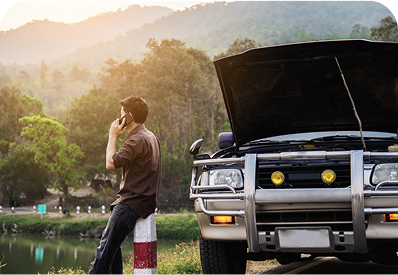
    What to Do While You Wait for a Tow Truck in Allentown

    Once you’ve made the call for help, the waiting period is a critical time to ensure your safety and prepare for the tow truck’s arrival.
    Ironhook Towing Sep 6, 2025

    What to Do While You Wait for a Tow Truck in Allentown

    Once you’ve made the call for help, the waiting period is a critical time to ensure your safety and prepare for the tow truck’s arrival.
    blog

    Ironhook Towing Sep 6, 2025

    What to Do While You Wait for a Tow Truck in Allentown

    Once you’ve made the call for help, the waiting period is a critical time to ensure your safety and prepare for the tow truck’s arrival.

    Frequently Asked Questions

    Tips & Advice from Your Allentown Towing Experts

    How quickly can you arrive in Fullerton, PA?

    Our average response time is 30–45 minutes within our 45-mile service area. Dispatch times may vary during peak hours, but we always prioritize emergencies.

    Yes. Our core service zone covers Fullerton, PA, and the nearby area within 45 miles. We also offer dependable long-distance towing across Pennsylvania and even out of state.

    Stay safe: turn on your hazard lights, remain inside your vehicle if you’re near traffic, and keep your phone handy for updates from our driver.

    Please provide your location, vehicle type, and the nature of the towing issue so we can dispatch the right help immediately.

    Find us

    Call Us

    (484) 426 0363

    Email Now

    talibnoori555@gmail.com

    Address

    900 Mickley Rd apt y1 3, Whitehall Township, PA 18052, United States

    Keep In Touch

    We prioritize responding to your inquiries promptly to ensure you
    receive the assistance you need in a timely manner