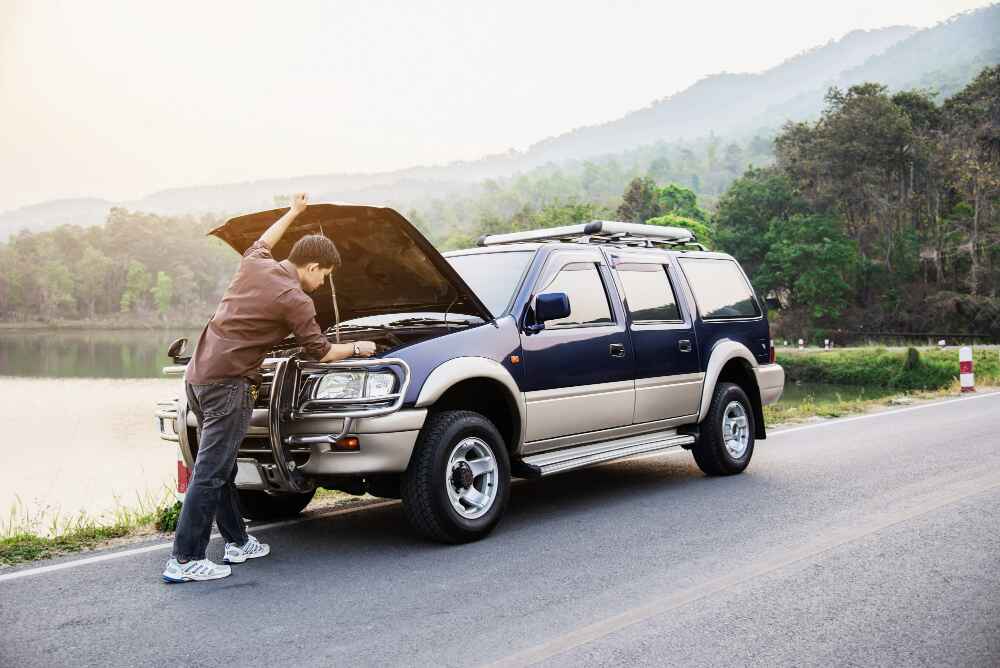
Your car suddenly stops working on a busy highway, steam rising from the hood, and you’re stranded miles from home. The stress of a vehicle breakdown gets worse as traffic rushes past, leaving you vulnerable and uncertain about your next steps. Knowing exactly what to do when you need car towing services can turn this overwhelming situation into a manageable problem, keeping you safe and getting you back on the road fast.
Immediate Steps After Vehicle Breakdown
When your vehicle breaks down, safety comes first. Move your car to the shoulder or emergency lane if possible. Turn on your hazard lights right away to alert other drivers. Exit your vehicle on the side away from traffic and move to a safe location behind a barrier or guardrail.
Place reflective triangles or flares 50 to 100 feet behind your vehicle if you have them. These warning devices reduce the risk of accidents and help tow truck drivers locate you more easily. Keep your doors locked if you remain inside the vehicle while waiting for help.
Signs You Need Professional Towing Services
Several situations require immediate professional towing help. Engine failure, transmission problems, or overheating that prevent safe vehicle operation call for towing. Flat tires without spare replacements, accidents causing vehicle damage, or running out of fuel in dangerous locations all warrant calling a tow truck service.
Strange noises, smoke, or fluid leaks point to serious mechanical issues requiring professional attention. If your vehicle won’t start after multiple attempts or displays warning lights indicating critical system failures, avoid further damage by requesting towing services right away.
How to Choose the Right Towing Company
Selecting a reliable towing service requires careful consideration of several factors. Verify the company operates 24/7 emergency towing services and can reach your location quickly. Check if they have proper licensing, insurance, and certified operators to confirm professional service delivery.
Research the towing company’s service area coverage and equipment capabilities. Different vehicles require specific towing methods. Flatbed towing works best for luxury vehicles, all-wheel drive cars, or severely damaged vehicles. Wheel lift towing suits standard vehicles with minor issues. Make sure the company has appropriate equipment for your vehicle type.
Essential Information to Provide When Calling
When contacting a towing service, provide accurate location details, including street names, mile markers, or nearby landmarks. Specify your vehicle’s make, model, year, and color for easy identification. Describe the problem clearly, whether a mechanical failure, accident damage, or a lockout situation.
Inform the dispatcher about any special circumstances, such as low clearance areas, narrow roads, or vehicle modifications. Mention if you need additional services like jump starts, tire changes, or fuel delivery. Provide your contact number and stay available for follow-up calls from the driver.
What to Expect During the Towing Process
Professional tow truck operators typically arrive within 30 to 45 minutes, depending on location and traffic conditions. The driver will assess your vehicle’s condition and determine the safest towing method. You’ll need to sign authorization forms and verify destination details before towing begins.
Remove valuable items and personal belongings from your vehicle before towing. Take photos of your vehicle’s condition for insurance purposes. The tow truck driver will secure your vehicle using appropriate equipment and safety protocols. You can usually ride with the driver or arrange alternative transportation to your destination.
Cost Factors and Payment Options
Towing costs vary based on distance, vehicle type, time of day, and service complexity. Standard towing services typically charge a base hookup fee plus per-mile rates. Emergency towing, after-hours service, or specialty vehicle towing may add extra charges.
Many insurance policies include roadside assistance or towing coverage. Check your policy details and coverage limits before calling for service. Some towing companies accept various payment methods, including cash, credit cards, and direct insurance billing. Get written estimates and receipts for all services provided.
Preparing for Future Emergencies
Create an emergency kit containing jumper cables, basic tools, a flashlight, first aid supplies, and warning devices. Store important documents, including insurance information, vehicle registration, and emergency contact numbers in your vehicle. Program reliable towing service numbers into your phone for quick access during emergencies.
Regular vehicle maintenance reduces breakdown risks significantly. Schedule routine inspections, address warning signs quickly, and keep your vehicle properly serviced. Join roadside assistance programs or maintain relationships with trusted local towing services for peace of mind during travels.
Contact Ironhook Towing for Reliable Service in Fullerton, PA
When you need professional car towing services in Fullerton, PA, or the surrounding Lehigh Valley area, Ironhook Towing provides fast, reliable help throughout your emergency. Located in Whitehall Township, their experienced team offers complete towing solutions, from light-duty passenger vehicles to medium-duty commercial trucks, making sure your vehicle gets safe transport to your preferred destination.
Contact Ironhook Towing immediately at (484) 426-0363 when you experience a vehicle breakdown, accident situations, or require emergency roadside assistance near MacArthur Road, Lehigh Valley Mall, Route 22, or anywhere in Bethlehem, Easton, Coplay, Northampton, and the Greater Allentown Area.
Their certified operators dispatch the nearest available unit to your location within 30-45 minutes, providing transparent pricing and professional service that gets you back on track quickly.
Additional Reads:
How Much Does Towing Really Cost?
What Does It Cost to Tow Your Car 50 Miles? Complete Pricing Guide
When to Call a Tow Truck Instead of Handling It Yourself: A Guide for Allentown Drivers
Emergency Towing vs. Scheduled Towing: Which One Do You Need?