Ironhook Towing Jan 10, 2026
Why You Should Never Trust Unlicensed Tow Trucks
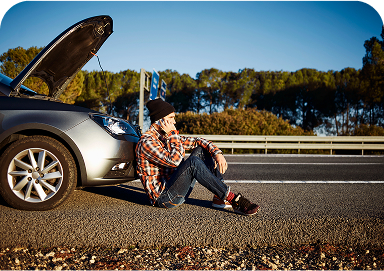
If your car broke down this very second, would you know the three most important questions to ask a tow truck driver before they tow your vehicle?
Did you just hesitate? Then you're not alone. In the panic of a roadside emergency, most people forget to ask anything at all. This is the exact moment unlicensed tow truck operators take advantage of drivers, stepping in quickly, charging unfair fees, and putting vehicles at risk before the owner even realizes what is happening. This guide will equip you with those critical questions and the knowledge to make a safe, smart choice and avoid tow truck scams.
What Is Predatory Towing?
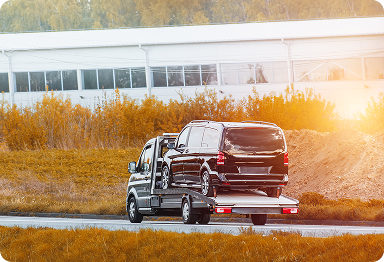
Predatory towing is when a tow truck operator takes advantage of drivers during stressful situations, such as accidents or breakdowns. These operators often show up without being called, pressure drivers to accept a tow, or move vehicles without proper permission. Once the car is taken, the driver may face high fees, hidden charges, or difficulty getting the vehicle released, leaving them with little choice but to pay.
Licensed Professional vs. Unlicensed Operator
To understand the risk, you first need to know who you're dealing with. A licensed, professional towing company is a legitimate business that operates under strict state and federal regulations. This means they:
Meet safety and equipment standards
Follow pricing and consumer protection laws
Train drivers properly
Maintain clear records and accountability
An unlicensed operator works completely outside of this system. They have no oversight, no accountability, and, most critically, when something goes wrong, they are impossible to hold responsible.
The Hidden Dangers of Unlicensed Towing Services
Here are the most common dangers of hiring unlicensed towing services:
Damage from Inexperience: Towing is a skill. Using the wrong equipment or hooking up a vehicle incorrectly can cause severe damage to the frame, transmission, or suspension. Unlicensed operators often lack the training and proper equipment to handle your vehicle safely.
Unpredictable Pricing: The low price they quote on the side of the road is just the bait. Once your car is on their hook, the real bill appears, loaded with charges that were never discussed. By then, it’s too late.
No Accountability: Licensed towing companies can be reported to local agencies if there is a problem. Unlicensed operators often work under temporary names or change business details frequently. This makes it hard to file complaints, recover overcharges, or hold them responsible for damage. Once your car is gone, so may be the operator.
Read more: What to Do When You Need Car Towing
How to Identify a Legitimate Towing Company
You can avoid most of the towing scams by asking three simple questions before they touch your vehicle. Think of this as your roadside protection plan.
1. "Can I see your license?"
Why it works: This is the ultimate test of legitimacy. A professional driver will have no problem providing their credentials. An unlicensed operator will get defensive, make excuses, or simply say no.
A good answer: "Of course, here is our business license number."
A bad answer: "Don't worry about it, I've got you covered," or "It's in the office."
2. "Can you give me a written, itemized quote for the total cost?"
Why it works: This question forces transparency. It moves the conversation from a vague verbal quote to a concrete price. Ask them to write it down on a business card or send it as a text message.
A good answer: "Certainly. The hook-up fee is X, and the mileage rate is Y. The total will be Z."
A bad answer: "We'll figure it out when we get there," or "It depends."
3. "Will you take my vehicle to the mechanic/location of my choice?"
Why it works: A professional service works for you and will take your car wherever you direct them.
A good answer: "Absolutely. Just give me the address."
A bad answer: "I have to take it to our company yard first for processing."
Common Signs of an Unlicensed Tow Truck
Knowing the warning signs can help you avoid illegal towing. Be cautious if the tow truck:
Arrives without being called
Cannot show a license or permit
Refuses to provide a written estimate
Demands cash only
Will not tell you where your vehicle is being taken
Has no company branding or marked phone number
If something feels off, trust your instincts.
Final Thoughts
Unlicensed tow trucks may seem helpful at first, but they often lead to bigger problems later. Overcharges, damage, and lack of accountability are common risks.
Taking a few extra minutes to verify who is towing your vehicle can save you hundreds or even thousands of dollars. Always choose a licensed towing company you can trust.
Call IronHook Towing
At IronHook Towing, safety, transparency, and professionalism come first. When you call us, you know your vehicle will be handled properly, pricing will be clear, and you are protected if something goes wrong. When you are already dealing with car trouble, the last thing you need is more stress. Call us at (484) 426 0363 right away, and we’ll handle the rest.
FAQs
What should I do if an unlicensed tow truck takes my car?
Contact local law enforcement or the city’s consumer protection office right away. Document everything, including photos and receipts.
Are unlicensed tow trucks legal?
In most areas, towing without proper licensing or authorization is illegal. Laws vary by location, but consumer protections exist for a reason.
Why do unlicensed tow trucks target accident scenes?
Drivers are often stressed and vulnerable after accidents, making it easier for predatory operators to take advantage.
Is it always safer to call a towing company myself?
Yes. Calling a licensed towing company directly gives you control over who handles your vehicle and where it goes.
Read More
Ironhook Towing Jan 6, 2026
What Is the 80/20 Rule for Towing? A Complete Guide to Safer Towing
When preparing to tow a trailer, RV, boat, or equipment, many drivers come across the term “80/20 rule for towing.” While it may sound technical, the concept is simple and widely used as a practical safety guideline to help prevent overloading, instability, and vehicle damage.
This guide explains what the 80/20 rule means, why it matters, how to apply it correctly, and how it fits into overall towing safety.
What Does the 80/20 Rule for Towing Mean?
The 80/20 rule for towing recommends that you tow no more than 80% of your vehicle’s maximum rated towing capacity.
For example:
If your vehicle has a maximum towing capacity of 10,000 pounds, you should aim to tow no more than 8,000 pounds.
This leaves a 20% safety margin to account for real-world conditions that affect towing performance, such as cargo weight, passengers, terrain, wind, braking demands, and road conditions.
Why the 80/20 Rule Exists
Vehicle manufacturers calculate towing capacity under controlled conditions. Real-world driving introduces variables that can significantly increase strain on your vehicle. The 80/20 rule helps bridge that gap by providing a conservative buffer that improves safety and control.
Key Benefits of Following the 80/20 Rule
1. Better Stability and Handling
Towing lighter loads reduces trailer sway, improves steering response, and makes lane changes and turns easier.
2. Improved Braking Performance
Less weight means shorter stopping distances and reduced brake fade, especially when driving downhill or in traffic.
3. Reduced Wear on Your Vehicle
Staying below maximum capacity lowers stress on the engine, transmission, suspension, brakes, and frame, helping extend vehicle lifespan.
4. Greater Safety in Emergency Situations
A lighter tow load gives you more control during sudden stops, evasive maneuvers, or poor weather conditions.
How to Apply the 80/20 Rule Correctly
Step 1: Find Your Vehicle’s Maximum Towing Capacity
This information is listed in your owner’s manual or on the vehicle’s manufacturer label.
Step 2: Calculate 80% of That Capacity
Multiply the maximum towing capacity by 0.8 to find your recommended towing limit.
Example:8,000 lbs × 0.8 = 6,400 lbs
Step 3: Include All Weight
Your trailer’s total weight includes:
The trailer itself
Cargo and equipment
Fuel and water
Any added accessories
Always calculate based on fully loaded weight, not dry weight.
Step 4: Adjust for Driving Conditions
If you’ll be towing in mountains, strong winds, heavy traffic, or over long distances, consider staying even further below the 80% guideline.
Common Misunderstandings About the 80/20 Rule
It’s Not a Legal Requirement
The 80/20 rule is a safety recommendation, not a law. However, exceeding your manufacturer’s maximum towing rating can be illegal and unsafe.
Tongue Weight Still Matters
Even if total weight is within limits, improper tongue weight can cause instability and trailer sway. Proper weight distribution is essential.
Maximum Capacity Isn’t a Comfort Zone
Just because your vehicle can tow a certain amount doesn’t mean it should do so regularly. The 80/20 rule creates a safer operating range.
When the 80/20 Rule Is Especially Important
New or inexperienced towers
Long-distance towing
Mountain or off-road terrain
Heavy traffic or urban driving
Vehicles without advanced towing assist systems
In these situations, the extra safety margin can make a significant difference.
Is the 80/20 Rule Always Necessary?
Experienced drivers with proper equipment may occasionally tow closer to maximum capacity. However, for most drivers and most situations, the 80/20 rule remains a smart, safety-first guideline that reduces risk and increases confidence on the road.
Final Thoughts
The 80/20 rule for towing is about prevention, control, and longevity. By towing within 80% of your vehicle’s rated capacity, you protect your vehicle, your cargo, and everyone on the road.
It’s not about limiting capability — it’s about towing smarter and safer every time you hitch up. Contact Iron Hook Towing in Whitehall Township for expert towing.
Read more:
Understanding the Process of Medium Duty Towing Services
What to Do When You Need Car Towing
Read More
Ironhook Towing Dec 26, 2025
Understanding the Process of Medium Duty Towing Services
Medium-duty towing is different from a standard roadside tow. It is meant for vehicles that are bigger than regular cars but not as large as heavy trucks, like box trucks, work vans, shuttles, and many RVs. If these vehicles break down or get into an accident, their extra weight, longer wheelbases, and special drivetrains make regular towing risky. Using the right equipment and loading methods helps avoid more damage, saves time, and keeps the road safe.
This page covers what medium-duty towing is, the equipment used, and the steps professionals take from your first call to the end of the job.
What comes under Medium Duty Towing?
Medium-duty towing means professionally towing and recovering Class 3 to Class 6 vehicles, which usually weigh between 10,001 and 26,000 pounds. This includes box trucks, city delivery vans, bucket trucks, and other commercial vehicles that need stronger equipment than regular cars.
When Medium Duty Towing Services Are Needed?
Medium-duty towing is needed when a vehicle’s size, weight, or drivetrain makes a regular wheel-lift tow unsafe or not allowed. Common situations include:
Mechanical breakdowns that make the vehicle unstartable
Accident recovery where the vehicle cannot be driven safely
Blowouts or wheel damage that prevent safe roadside repair
Stuck situations such as soft ground, snow, mud, or a ditch (often requiring winching and controlled recovery)
Planned transport for fleet moves, relocations, or repair routing
What is the process of Medium Duty Towing?
Medium-duty towing follows a controlled, safety-first process designed for larger vehicles. As these vehicles have higher weight, different braking systems, and more complex drivetrains than passenger cars, each step, from dispatch to securement and transport, must be handled with the right equipment and procedures to prevent additional damage and reduce roadway risk.
Step 1: Incident Assessment and Dispatch
The process starts as soon as your call reaches the dispatch center. The operator collects important details to send the right truck. Medium-duty vehicles are very different from regular cars in size, weight, and ground clearance.
Crucial information gathered includes:
Vehicle Weight and Dimensions: Determining if the vehicle fits the medium-duty criteria or requires heavy-duty equipment.
Location and Accessibility: Whether the vehicle is on a highway shoulder, stuck in mud, or in a height-restricted parking garage.
Load Status: A loaded box truck reacts differently to towing forces than an empty one.
Mechanical State: Information on whether the wheels are locked or if the driveshaft is intact.
Step 2: Equipment Selection
Towing companies use special trucks for medium-duty jobs. The two main types are flatbed carriers and integrated wreckers.
Flatbed carriers, or rollbacks, are often used when a vehicle can’t roll on its own wheels. This method lifts the whole vehicle off the road, making it the safest choice for all-wheel-drive vehicles or those with bad suspension damage. The hydraulic bed lowers to the ground so the vehicle can be winched onto the platform.
Integrated wreckers have both a boom and a wheel-lift. They work well for vehicles that are too tall or long for a flatbed. The wheel-lift holds either the front or rear wheels, leaving the other set on the ground. This setup makes it easier to move vehicles in tight city spaces.
Step 3: Site Safety and Vehicle Preparation
In this step, the tow operator first secures the scene by setting cones or flares to create a safe work zone, then prepares the vehicle for transport to avoid mechanical damage. If a rear-wheel-drive vehicle is being towed with the rear wheels on the ground, the driveshaft is disconnected so the transmission does not turn without proper lubrication. For trucks with air brakes, the operator may need to manually engage or release the brakes when the engine is not running, allowing the wheels to roll freely.
Step 4: Hook-Up and Securement
The physical connection between the tow truck and the disabled vehicle requires precision. The operator attaches heavy-duty chains or straps to the frame or axle, avoiding fragile components like brake lines or suspension sensors.
Weight distribution is very important. If too much weight is on the back of the tow truck, steering can become unsafe. If too much weight stays on the towed vehicle’s axles, it might sway. Operators figure out the center of gravity to keep the tow stable.
Secondary Safety Measures:- Federal and state regulations require the use of secondary safety chains. These chains act as a fail-safe if the primary coupling fails. The operator also installs auxiliary tow lights on the rear of the disabled vehicle. These lights mimic the tow truck's braking and signaling actions to alert following traffic.
Step 5: Transport and Delivery
During transport, the operator must stay alert. The extra weight from both vehicles means it takes longer to stop. The operator drives carefully, avoiding sudden lane changes or hard braking.
When the tow truck gets to the destination, whether it’s a repair shop, dealership, or storage lot, the vehicle is unloaded. The operator undoes the steps used to secure the vehicle, like releasing the parking brakes and reconnecting the driveshaft if needed. A final check makes sure the vehicle is in the same condition as when it was picked up.
Reliable Recovery in Lehigh Valley
When medium-duty towing is done right, it reduces downtime and keeps your vehicles safe. Ironhook Towing offers expert recovery services in Whitehall Township, Fullerton, Allentown, and the Lehigh Valley. Our team handles everything from delivery vans to RVs, always focusing on safety and efficiency. We make sure your vehicle gets where it needs to go without problems. Call Iron hook Towing at (484) 426-0363 for fast, professional help.
What is the cost of Medium Towing Services?
Medium duty towing pricing is usually built from a base dispatch charge plus transport and any recovery work needed. For planning purposes, a common estimate range is $150 to $350 for the hook-up or call-out, about $5 to $10 per mile (medium duty often prices above light duty mileage averages), $200 to $400 per hour for recovery or winching, and about $85 to $150 per day for storage when the vehicle remains at a tow facility. Published municipal and state rate schedules show medium duty work is frequently billed by time on scene, with examples including $400 per hour caps in some police-ordered towing schedules and $50 per 15 minutes for certain medium duty recovery line items, plus daily storage rates that can be around $85 to $100 per day depending on the schedule.
Costs increase when the job involves winching, accident recovery, rollovers, restricted access, or hazardous conditions, and mileage typically applies beyond an included service radius. Storage charges add up daily when a vehicle is held, and insurance or towing-and-labor coverage may reimburse part of the bill, but limits and eligible situations vary by policy and carrier.
Extra fees may be charged for winching, accident recovery, or working in dangerous conditions. Storage fees add up for vehicles kept at towing facilities, with daily rates based on vehicle size and local rules. Insurance often covers towing, but policy limits may not pay for all medium duty towing costs.
Why Choose Professional Medium Duty Towing Services
Professional medium duty towing gives you expert help, the right equipment, and liability protection that you don’t get with DIY towing. Certified operators know how to manage weight and avoid extra damage during recovery. Commercial-grade equipment makes tough jobs safer and more efficient.
Trusted towing companies carry full insurance, so you’re protected from liability while your vehicle is being transported. They are available 24/7, so you can count on a quick response any time you need help. The paperwork they provide also helps with insurance claims and gives you legal protection if there’s an accident.
Contact Iron hook Towing for Reliable Medium Duty Towing Services
If your commercial vehicle or RV needs professional medium-duty towing, Iron hook Towing offers fast, reliable service in the area. Our certified operators and modern trucks safely move vehicles up to 26,000 pounds. With fair prices, 24/7 service, and a focus on customer satisfaction, we’re ready to help with your towing needs. Call us now for expert help and see how our experience and equipment protect your vehicles and keep your business running smoothly.
Read More
Ironhook Towing Dec 9, 2025
What to Do When You Need Car Towing
Your car suddenly stops working on a busy highway, steam rising from the hood, and you're stranded miles from home. The stress of a vehicle breakdown gets worse as traffic rushes past, leaving you vulnerable and uncertain about your next steps. Knowing exactly what to do when you need car towing services can turn this overwhelming situation into a manageable problem, keeping you safe and getting you back on the road fast.
Immediate Steps After Vehicle Breakdown
When your vehicle breaks down, safety comes first. Move your car to the shoulder or emergency lane if possible. Turn on your hazard lights right away to alert other drivers. Exit your vehicle on the side away from traffic and move to a safe location behind a barrier or guardrail.
Place reflective triangles or flares 50 to 100 feet behind your vehicle if you have them. These warning devices reduce the risk of accidents and help tow truck drivers locate you more easily. Keep your doors locked if you remain inside the vehicle while waiting for help.
Signs You Need Professional Towing Services
Several situations require immediate professional towing help. Engine failure, transmission problems, or overheating that prevent safe vehicle operation call for towing. Flat tires without spare replacements, accidents causing vehicle damage, or running out of fuel in dangerous locations all warrant calling a tow truck service.
Strange noises, smoke, or fluid leaks point to serious mechanical issues requiring professional attention. If your vehicle won't start after multiple attempts or displays warning lights indicating critical system failures, avoid further damage by requesting towing services right away.
How to Choose the Right Towing Company
Selecting a reliable towing service requires careful consideration of several factors. Verify the company operates 24/7 emergency towing services and can reach your location quickly. Check if they have proper licensing, insurance, and certified operators to confirm professional service delivery.
Research the towing company's service area coverage and equipment capabilities. Different vehicles require specific towing methods. Flatbed towing works best for luxury vehicles, all-wheel drive cars, or severely damaged vehicles. Wheel lift towing suits standard vehicles with minor issues. Make sure the company has appropriate equipment for your vehicle type.
Essential Information to Provide When Calling
When contacting a towing service, provide accurate location details, including street names, mile markers, or nearby landmarks. Specify your vehicle's make, model, year, and color for easy identification. Describe the problem clearly, whether a mechanical failure, accident damage, or a lockout situation.
Inform the dispatcher about any special circumstances, such as low clearance areas, narrow roads, or vehicle modifications. Mention if you need additional services like jump starts, tire changes, or fuel delivery. Provide your contact number and stay available for follow-up calls from the driver.
What to Expect During the Towing Process
Professional tow truck operators typically arrive within 30 to 45 minutes, depending on location and traffic conditions. The driver will assess your vehicle's condition and determine the safest towing method. You'll need to sign authorization forms and verify destination details before towing begins.
Remove valuable items and personal belongings from your vehicle before towing. Take photos of your vehicle's condition for insurance purposes. The tow truck driver will secure your vehicle using appropriate equipment and safety protocols. You can usually ride with the driver or arrange alternative transportation to your destination.
Cost Factors and Payment Options
Towing costs vary based on distance, vehicle type, time of day, and service complexity. Standard towing services typically charge a base hookup fee plus per-mile rates. Emergency towing, after-hours service, or specialty vehicle towing may add extra charges.
Many insurance policies include roadside assistance or towing coverage. Check your policy details and coverage limits before calling for service. Some towing companies accept various payment methods, including cash, credit cards, and direct insurance billing. Get written estimates and receipts for all services provided.
Preparing for Future Emergencies
Create an emergency kit containing jumper cables, basic tools, a flashlight, first aid supplies, and warning devices. Store important documents, including insurance information, vehicle registration, and emergency contact numbers in your vehicle. Program reliable towing service numbers into your phone for quick access during emergencies.
Regular vehicle maintenance reduces breakdown risks significantly. Schedule routine inspections, address warning signs quickly, and keep your vehicle properly serviced. Join roadside assistance programs or maintain relationships with trusted local towing services for peace of mind during travels.
Contact Ironhook Towing for Reliable Service in Fullerton, PA
When you need professional car towing services in Fullerton, PA, or the surrounding Lehigh Valley area, Ironhook Towing provides fast, reliable help throughout your emergency. Located in Whitehall Township, their experienced team offers complete towing solutions, from light-duty passenger vehicles to medium-duty commercial trucks, making sure your vehicle gets safe transport to your preferred destination.
Contact Ironhook Towing immediately at (484) 426-0363 when you experience a vehicle breakdown, accident situations, or require emergency roadside assistance near MacArthur Road, Lehigh Valley Mall, Route 22, or anywhere in Bethlehem, Easton, Coplay, Northampton, and the Greater Allentown Area.
Their certified operators dispatch the nearest available unit to your location within 30-45 minutes, providing transparent pricing and professional service that gets you back on track quickly.
Additional Reads:
How Much Does Towing Really Cost?
What Does It Cost to Tow Your Car 50 Miles? Complete Pricing Guide
When to Call a Tow Truck Instead of Handling It Yourself: A Guide for Allentown Drivers
Emergency Towing vs. Scheduled Towing: Which One Do You Need?
Read More
Ironhook Towing Dec 9, 2025
Emergency Towing vs. Scheduled Towing: Which One Do You Need?
When your vehicle unexpectedly fails on the road, you have an urgent decision: call for an emergency tow or schedule a tow for later. Understanding the difference and knowing which option to choose can save you time, money, and worry. At IronHook Towing, we serve the Fullerton, Pennsylvania area and beyond. We want you to be informed, safe, and ready when you need help.
What is Emergency Towing?
Emergency towing means you need immediate assistance — right now. Your car may have broken down in traffic, you might be stranded on the shoulder, or you might be in a potentially unsafe location. In those moments, waiting is not an option. A professional service like IronHook delivers rapid response, full equipment, and a highly trained team to get you off the road quickly. On our website we state that our dispatch team is ready 24/7, and our fleet is built for fast, reliable arrival with damage-free transport.
When you should choose emergency towing:
You’re stranded in a busy or dangerous spot (highway, shoulder, dusk/night).
The vehicle cannot move under its own power without risking damage.
You need immediate removal so that you don’t incur extra vehicle damage or put yourself at risk.
What is Scheduled Towing?
Scheduled towing is planned ahead. Perhaps your car is being hauled to a repair shop tomorrow, or you know your vehicle will need transport after work. This option gives you time to coordinate, plan your destination, and perhaps combine services. With scheduled tasks you often aren’t in immediate danger—but you still need a reliable, professional service.
When scheduled towing makes sense:
Your vehicle is parked safely, not obstructing traffic or posing a hazard.
You have a destination arranged (repair shop, storage, new location).
Time is less urgent and you can coordinate costs & logistics ahead of time.
Emergency vs Scheduled: Key Differences
FeatureEmergency TowingScheduled TowingUrgencyImmediate, often within minutesPlanned for a later time or dateRisk LevelHigh (stranded, traffic, vehicle damage risk)Lower risk; vehicle in safe positionCost & LogisticsMay incur higher fees (after hours, rapid dispatch)Can be more economical if scheduled in advanceResponse TimeVery fast (30-45 minutes or less in our service area)More flexible scheduling; less rushIdeal Use CaseBreakdown, accident, vehicle unable to move safelyVehicle needs moving but no immediate danger
How to Decide Which One You Need
Assess your location and situation. If you’re stuck on a highway ramp in poor light or heavy traffic, go emergency. If you’re parked safely overnight and can wait, scheduled might suffice.
Check vehicle condition. If the car refuses to start, is leaking fluid, or is in a precarious location, immediate help is best. If it simply needs relocation later, schedule.
Consider cost vs risk. Waiting too long in an unsafe place can escalate damage or danger. Priority response may cost more but offers safety and speed. At IronHook we emphasise “fast arrival” and “damage-free guarantee” for our customers.
Contact your service provider. When you search for “tow truck near me Fullerton, PA”, you want a provider who serves your region, has trustworthy equipment, and offers both emergency and scheduled services. IronHook Towing serves Fuller Town / Fullerton / Whitehall Township areas and stands out for quick dispatch and professional fleet.
Why Choosing the Right Tow Servicer Matters
Choosing a reliable local provider means faster response time, possibly lower costs, and better local knowledge of roads. When you call “tow truck near me Fuller Town, PA” you need someone who can arrive promptly. IronHook’s fleet is built for light and medium duty, and they guarantee safe, damage-free transport for a variety of vehicle types.
Beyond speed, you also want clear pricing, professionalism, and good reviews. A “local + long-distance” capable service—one that works with insurance for accident recoveries—adds immense value when you least expect it.
Call to Action: What to Do Right Now
If you find yourself stranded or need to schedule a tow for later, don’t hesitate:
Click over to our website ironhooktowing.com — book or call now.
Mention your location (Fuller Town/Fullerton/Whitehall area) so they dispatch the nearest unit.
Ask: “Is this dispatched as emergency or scheduled?” so you get the right service level and pricing.
Wait safely: Turn on hazards, move out of traffic if possible, and stay near your vehicle or in a safe spot until help arrives.
Summary
In short: if you’re in danger, stranded, or need immediate removal, go with emergency towing. If your vehicle is safe and you have time to plan, scheduled towing offers flexibility and cost savings. Either way, choosing a provider who understands your area, delivers fast and damage-free service, and can be found when you search “tow truck near me Fullerton, PA” makes all the difference.
When the unexpected happens, you’ll be grateful that you acted fast—or planned well. Remember: help is only a call away with Iron Hook Towing.
Read More
Ironhook Towing Dec 9, 2025
How Much Does Towing Really Cost?
When your car won’t start in a parking lot, overheats on the highway, or breaks down miles from home, you need towing help fast. Many drivers don’t realize how quickly towing bills can escalate due to factors such as mileage, time of day, or hidden fees. One person might pay $75 for a short tow, while another faces a $300 charge for a similar job.
Understanding what influences towing prices before you need the service can help you stay in control. This guide breaks down average towing costs, explains what affects pricing, and shows you how to avoid overpaying when your vehicle needs to be moved safely.
Understanding Average Towing Costs
There are some national benchmarks for towing costs, though your final bill depends on multiple variables. The average cost of towing in USA is $109 for standard towing service. This baseline typically covers initial hookup plus transport within a limited radius.
Pricing models usually combine two components: a flat hookup charge (often called a base fee) and per-mile charges beyond a certain threshold. The hookup fee generally includes the first 5-10 miles and covers dispatching the truck, connecting your vehicle, and preparing it for safe transport.
What You'll Pay Based on Distance
How far your vehicle travels makes the biggest difference in your total cost. Let’s break this down:
Local Towing (Up to 5 miles): Short hauls within five miles generally run $35-$125. These quick jobs include just the base hookup fee.
Moderate Distance (Upto 40 miles): Towing upto 40 miles typically costs $125-$275. Beyond the base fee, companies add per-mile charges ranging from $2 to $7.
Extended Towing (Upto 100 miles): Longer hauls upto 100 mile usually run $275-$600 or higher.
Cross-Region Transport (Over 100 miles): Tows exceeding 100 miles can cost $600 or considerably more.
Urban areas with competing towing companies often have lower rates, while rural regions or areas with limited services may charge higher prices.
Major Factors Affecting Your Towing Bill
National averages only tell part of the story. Several key elements can push your costs significantly higher than baseline estimates.
Your Vehicle's Size and Weight
Compact sedans and standard cars receive base pricing because they're straightforward to handle with typical equipment. Larger vehicles change the equation: SUVs, pickup trucks, vans, and heavy-duty vehicles often add more to your bill.
When You Need Service
Timing significantly impacts what you'll pay. Standard weekday business hours offer the most competitive rates, while off-hours service commands higher pricing.
After-hours surcharges exist because companies must compensate drivers working outside regular schedules. Demand often spikes during nights and weekends when driver availability decreases, further driving up prices.
How Far the Truck Travels to Reach You
Companies also factor in how far their truck must travel to reach your breakdown location. If your vehicle breaks down on a lonely road that is far away from the closest towing service, then the company will incur significant fuel costs and spend a lot of travel time.
Complexity of Vehicle Recovery
Standard towing from places like a parking space falls within normal pricing. Challenging recovery situations such as a vehicle in a ditch, high-traffic area, or low-clearance garage add substantial costs. These scenarios require specialized equipment and extra time to safely recover your vehicle.
Special Considerations for Electric Vehicles
Electric vehicle owners face unique towing requirements that differ substantially from standard cars. EVs lack traditional transmissions, and towing them with standard wheel-lift methods can severely damage the electric drivetrain and motors.
Most EV manufacturers explicitly require flatbed towing for their vehicles. This means:
EVs cannot be towed with any wheels touching the ground.
The complete vehicle must ride on a flat platform.
Flatbed service typically costs more than wheel-lift towing.
Not all towing operators keep flatbed trucks on immediate standby.
Some newer EV models include a "transport mode" that may permit limited wheel-lift towing under specific circumstances.
Will My Car Insurance Cover Towing?
It might. Whether or not your car insurance will cover towing depends entirely on your car insurance policy. Some comprehensive insurance policies include roadside assistance; some may cover tow costs up to a certain distance. Some insurers offer roadside assistance as a separate add-on. It is important to check your policy's specific coverages rather than assuming coverage one way or another.
Call Us for Affordable, Reliable Towing
No matter where you are in Fullerton or nearby, help is just a call away with our reliable towing service. IronHook Towing provides 24/7 emergency towing and roadside assistance, ensuring your vehicle is handled safely at fair, upfront rates. Whether it’s a flat tire, lockout, breakdown, or long-distance transport, our trained drivers and modern tow trucks are ready to help. Call us at (804) 304-6568 to request immediate assistance.
Additional Reads:
Cost of towing for 50 miles
Read More
Ironhook Towing Sep 29, 2025
What Does It Cost to Tow Your Car 50 Miles? Complete Pricing Guide
Car breakdowns never happen at convenient times or locations. When you're stranded 50 miles from your destination or home, understanding towing costs becomes essential for making informed decisions. Whether you're dealing with mechanical failure, an accident, or need vehicle transport, knowing what to expect financially can help reduce stress during an already challenging situation.
Current Market Rates for 50-Mile Towing
The cost to tow a car 50 miles typically ranges from $130 to $350, depending on various factors we'll discuss below. Most towing companies use a two-part pricing structure:
Standard Pricing Model:
Hook-up fee: $75-$125 (covers the first 5-7 miles)
Per-mile rate: $2.50-$5.00 for each additional mile
50-mile total: Approximately $185-$340
This pricing reflects current market conditions and varies by region, with urban areas often offering more competitive rates due to higher competition among service providers.
Primary Cost Factors for Long-Distance Towing
Vehicle Size and Type
Your vehicle's specifications directly impact towing costs:
Compact cars: Standard rates apply
Full-size vehicles and SUVs: 15-25% premium
Commercial trucks: Specialized equipment required, higher rates
Luxury or exotic vehicles: Premium handling, increased insurance costs
Motorcycles: Often lower rates due to lighter weight
Service Type and Complexity
Different towing scenarios command different pricing:
Standard breakdown towing: Base rates
Accident recovery: Additional 30-60% due to scene complexity
Off-road recovery: Requires specialized equipment and techniques
Multi-vehicle incidents: Per-vehicle pricing with potential volume discounts
Timing and Urgency
When you need service significantly affects your cost:
Business hours (8 AM - 6 PM): Standard rates
After-hours service: 25-40% surcharge
Weekend towing: Premium pricing
Holiday emergency service: Highest rates, up to 100% surcharge
Additional Services Required
Extra services can substantially increase your final bill:
Winching operations: $75-$300 depending on difficulty
Battery jump-start: $60-$150
Flat tire assistance: $75-$125
Lockout service: $85-$200
Fuel delivery: $50-$100 plus fuel costs
Geographic Considerations
Location plays a crucial role in pricing:
Metropolitan areas: More competitive pricing
Rural locations: Higher costs due to longer response times
Highway vs. city towing: Highway towing often costs more
State regulations: Some states have maximum rate regulations
Smart Strategies to Minimize Towing Costs
Review Your Insurance Coverage
Most auto insurance policies include some towing coverage, though limits vary:
Standard coverage typically ranges from $50-$100
Comprehensive policies may cover up to $200
Always verify coverage limits before needing service
Consider Roadside Assistance Memberships
Annual memberships ($75-$200) often provide:
Free towing up to specific mileage limits
Discounted rates for longer distances
Additional roadside services included
24/7 availability
Plan for Non-Emergency Situations
When time permits:
Shop around: Get quotes from multiple companies
Schedule during business hours: Avoid premium rates
Choose efficient routes: Shorter distances mean lower costs
Bundle services: Some companies offer package deals
Understanding the Towing Process
Initial Contact Information
When calling for service, have ready:
Precise location with landmarks
Vehicle details (year, make, model)
Problem description
Preferred destination
Any special requirements
Service Estimation
Professional companies should provide:
Upfront cost estimates
Clear explanation of potential additional charges
Expected arrival times
Payment options available
During the Tow
Quality service includes:
Professional driver conduct
Proper vehicle securing techniques
Safe transport practices
Regular communication about progress
Red Flags to Avoid
Be cautious of towing companies that:
Refuse to provide upfront estimates
Have no visible licensing or insurance information
Quote prices significantly below or above market rates
Cannot provide references or reviews
Use high-pressure sales tactics
The Value of Professional Towing Services
While 50-mile towing costs represent a significant expense, professional services provide:
Safety and Security: Trained operators use proper equipment and techniques to protect your vehicle during transport.
Insurance Protection: Licensed companies carry insurance covering potential damage during towing operations.
Reliability: Established companies maintain their equipment and provide consistent service quality.
Legal Compliance: Professional services meet all local and state regulations for commercial towing operations.
Why Iron Hook Towing Stands Out
When facing a 50-mile towing situation, choosing the right service provider makes all the difference. Iron Hook Towing has built a reputation for excellence in long-distance vehicle transport, combining competitive pricing with uncompromising service quality.
Their experienced team understands that every towing situation is unique, requiring personalized attention to ensure safe, efficient transport. With modern equipment, comprehensive insurance coverage, and transparent pricing, Iron Hook Towing takes the uncertainty out of long-distance towing services.
What sets Iron Hook Towing apart:
Upfront pricing: No hidden fees or surprise charges
Professional operators: Trained, licensed, and insured drivers
Modern equipment: Well-maintained fleet for safe transport
Customer communication: Regular updates throughout the process
Comprehensive service: From roadside assistance to long-distance transport
Making the Best Decision for Your Situation
A 50-mile tow represents both a significant expense and an important investment in your vehicle's safety. While costs typically range from $130-$350, the value you receive from professional service extends far beyond simple transport.
Consider factors like timing, vehicle type, and additional services needed when budgeting for towing costs. Remember that the lowest price doesn't always represent the best value, especially when dealing with valuable vehicles or complex recovery situations.
Read more:
When to Call a Tow Truck Instead of Handling It Yourself
Planning Ahead
The best time to research towing services is before you need them. Keep contact information for reputable companies like Iron Hook Towing readily available in your phone and vehicle. Understanding pricing structures and service options in advance helps you make informed decisions during stressful roadside emergencies.
Whether you're planning a long-distance move, dealing with mechanical failure, or facing an accident situation, professional towing services provide the expertise and equipment necessary to transport your vehicle safely. Choose wisely, and ensure your 50-mile tow becomes just a minor inconvenience rather than a major catastrophe.
Read More
Ironhook Towing Dec 9, 2025
When to Call a Tow Truck Instead of Handling It Yourself: A Guide for Allentown Drivers
Finding yourself stranded on the side of the road with a broken-down vehicle is never convenient. In those stressful moments, you're faced with a critical decision: should you attempt to fix the problem yourself or call for professional help? While the DIY approach might seem tempting, especially if you're mechanically inclined, there are many situations where calling Iron Hook Towing is not just the smarter choice—it's the safer one.
Making the wrong decision can put your safety at risk, cause expensive damage to your vehicle, or leave you stranded longer than necessary. Let's explore when it's time to put down the wrench and pick up the phone.
Critical Situations That Require Professional Towing
Engine Overheating
When your temperature gauge climbs into the red zone, your engine is crying for help. Continuing to drive with an overheated engine can lead to catastrophic damage including blown head gaskets, warped cylinder heads, or complete engine failure. The moment you notice overheating, pull over safely and shut off the engine immediately. Even a short drive to the nearest repair shop can cost you thousands in engine repairs.
Transmission Problems
If you're experiencing grinding noises when shifting, gears that slip or refuse to engage, or strange smells coming from your transmission, stop driving immediately. Transmission repairs are among the most expensive automotive fixes, and continuing to drive can turn a manageable repair into a complete transmission replacement. Don't risk turning a $500 repair into a $3,000 nightmare.
Brake System Failure
Your brakes are literally a matter of life and death. Any brake issues—whether it's a spongy brake pedal, grinding noises, brake warning lights, or complete brake failure—require immediate professional attention. Never attempt to drive a vehicle with compromised brakes, even to the nearest repair shop. The risk to yourself and other drivers is simply too great.
Steering and Suspension Issues
When your vehicle pulls hard to one side, bounces excessively, or becomes difficult to control, you're dealing with steering or suspension problems that make driving dangerous. These issues can lead to loss of control, especially at higher speeds or during emergency maneuvers. Don't gamble with your safety—call for an emergency tow now.
Electrical System Failures
Modern vehicles rely heavily on electrical systems for everything from engine management to safety features. If you're experiencing issues like a completely dead battery, malfunctioning lights, or dashboard warning lights, driving can be hazardous. Without proper lighting or electronic stability controls, you're putting yourself and others at risk.
Tire Blowouts
While changing a flat tire might seem straightforward, a complete blowout is different. If your tire has suffered catastrophic failure, especially if there's damage to the wheel or surrounding components, attempting to install a spare could be dangerous and ineffective.
Key Factors to Consider Before Making Your Decision
1. Location and Safety
Your environment plays a crucial role in determining whether DIY repairs are safe. Consider these factors:
Call for towing if you're:
On a busy highway or interstate
In heavy traffic conditions
On a narrow road with no shoulder
In a construction zone
At night with poor visibility
You might handle minor issues yourself if you're:
In a well-lit parking lot
On a quiet residential street
In a safe location away from traffic
During daylight hours with good visibility
2. Severity of the Problem
Be honest about the complexity of the issue and your ability to handle it safely. While you might be able to jump-start a dead battery in ideal conditions, major mechanical failures require professional expertise. Don't let pride or impatience lead to poor decision-making.
3. Available Tools and Equipment
Even simple repairs require the right tools. Attempting repairs with inadequate equipment can be dangerous and may cause additional damage to your vehicle. Professional tow truck operators come equipped with specialized tools and the expertise to use them safely.
4. Weather Conditions
Severe weather dramatically increases the risks associated with roadside repairs. Rain, snow, ice, extreme heat, or high winds can make even simple tasks dangerous. Poor weather also reduces your visibility to other drivers, increasing the risk of accidents.
5. Your Experience Level
Be realistic about your mechanical knowledge and experience. What might be a simple task for a professional mechanic could be dangerous or damaging if attempted by someone without proper training. When in doubt, call the professionals.
6. Time of Day
Nighttime breakdowns present additional challenges and safety risks. Reduced visibility makes you less visible to other drivers and makes it more difficult to properly diagnose and repair problems. Many issues that might be manageable during the day become dangerous at night.
The Benefits of Professional Towing Services
When you call Iron Hook Towing, you're not just getting a ride for your vehicle—you're investing in professional service that offers numerous advantages:
Safety First: Our trained technicians have the experience and equipment to handle roadside situations safely, keeping you away from traffic and potential hazards.
Proper Equipment: We use specialized towing equipment designed to transport your vehicle without causing damage, something that's impossible to achieve with improvised solutions.
Expertise: Our team can quickly assess your situation and determine the safest course of action, often identifying issues that might not be apparent to the untrained eye.
Insurance Protection: Professional towing services carry insurance to protect your vehicle during transport, giving you peace of mind that amateur repairs can't provide.
Reliability: We're available 24/7 to help Allentown drivers get back on the road safely, regardless of when or where problems occur.
Making the Smart Choice
The decision between DIY repairs and professional towing often comes down to risk versus reward. While handling minor issues yourself might save money in the short term, the potential costs of making the wrong choice—personal injury, vehicle damage, or putting others at risk—far outweigh any temporary savings.
Remember, your safety and the safety of other drivers should always be the top priority. When you're unsure about any aspect of your situation—the severity of the problem, the safety of your location, or your ability to handle the repair—the smart choice is to call Iron Hook Towing.
Don't let pride, impatience, or the desire to save a few dollars put you in danger. Our experienced team is ready to help Allentown drivers 24 hours a day, 7 days a week. We'll get you and your vehicle to safety quickly and efficiently, allowing you to focus on what matters most—getting back to your day safely.
When you're facing a breakdown, make the call that prioritizes safety over savings. Contact Iron Hook Towing, and let the professionals handle what they do best while you stay safe.
Read more:
What Does It Cost to Tow Your Car 50 Miles? Complete Pricing Guide
Read More